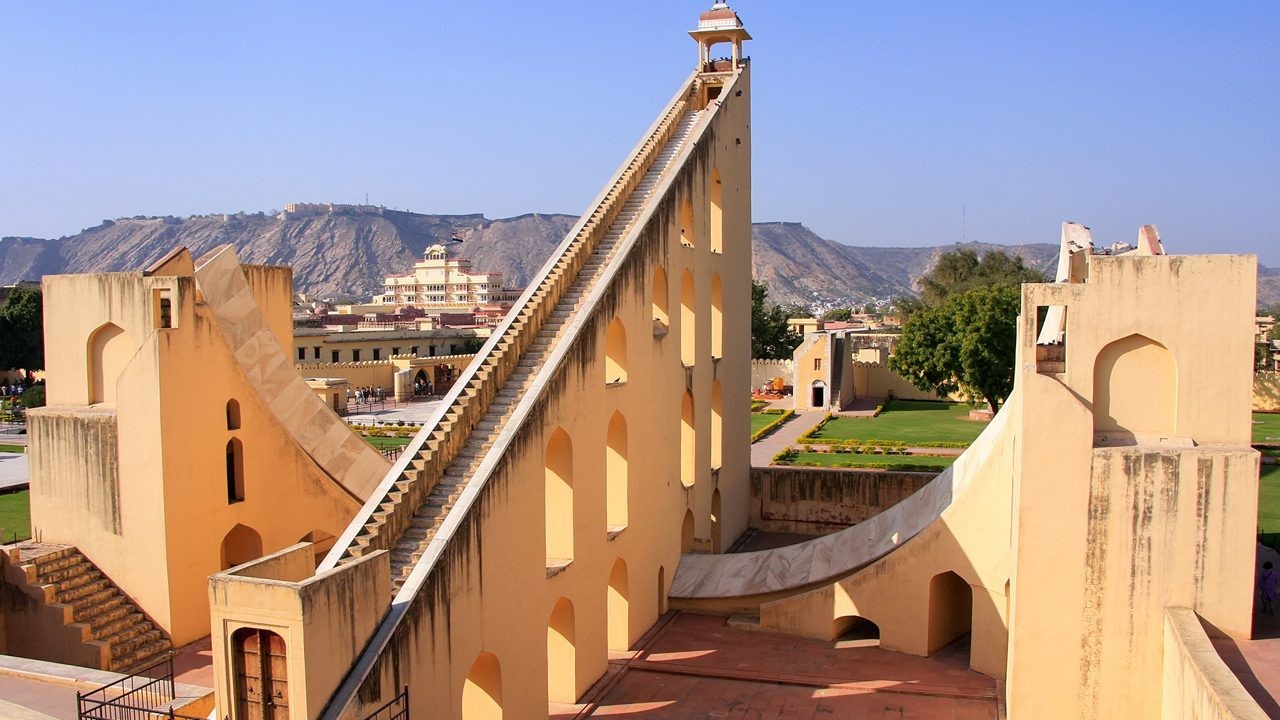
– Samrat Yantra, Jaipur Observatory Rajasthan
India’s remarkable observatories and its enduring relationship with the cosmos
A rare journey through India’s extraordinary astronomical heritage and cosmic traditions.
Scattered across India are extraordinary observatories that once transformed the movement of the heavens into measurable science. Built by visionary rulers, astronomers and scholars, these remarkable structures combined mathematical precision with monumental design long before the advent of modern astronomy. From giant sundials capable of measuring time within seconds to high-altitude observatories studying distant galaxies, India’s astronomical heritage reflects centuries of innovation, curiosity and scientific excellence.
Jantar Mantar, Jaipur – Rajasthan
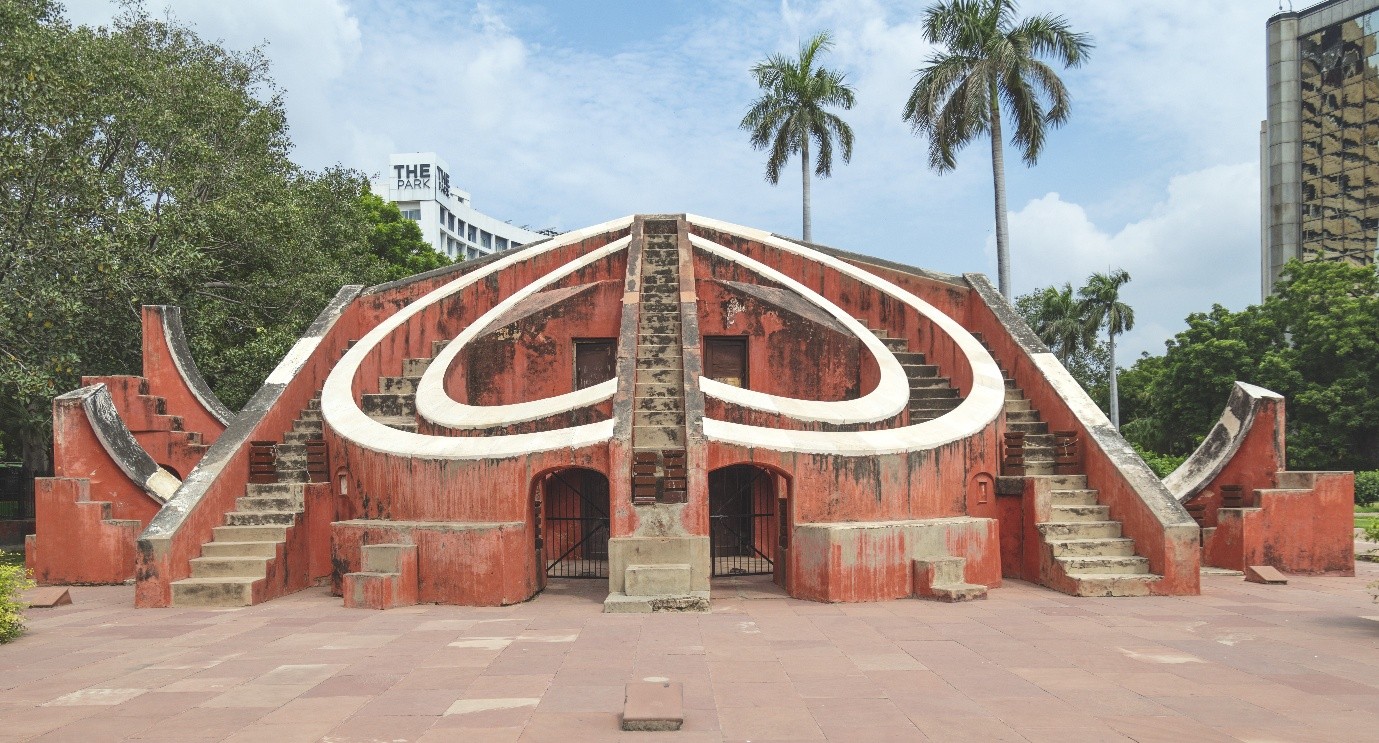
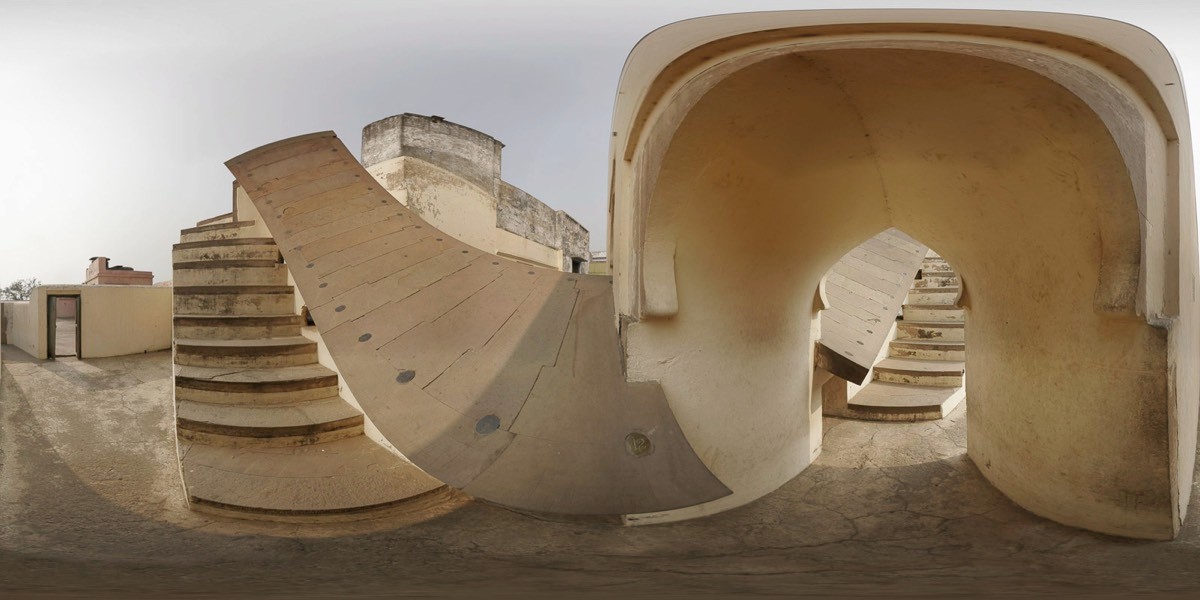
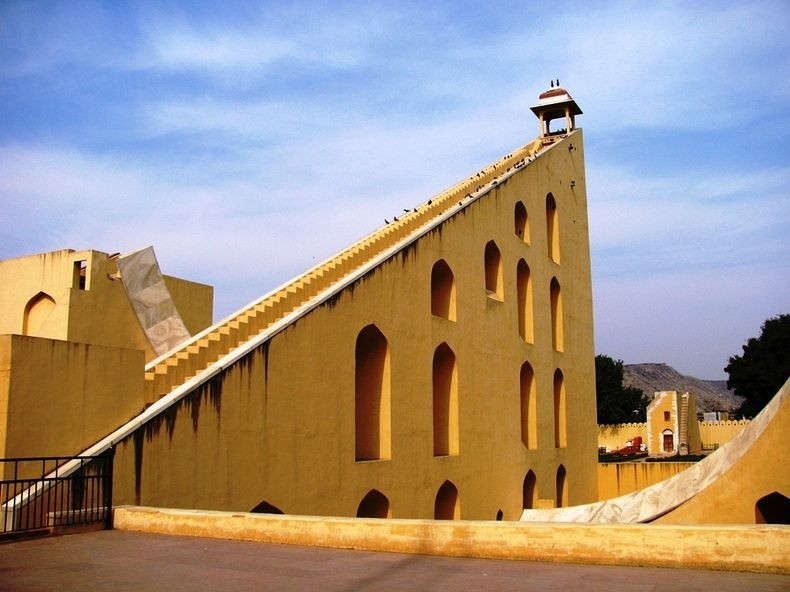
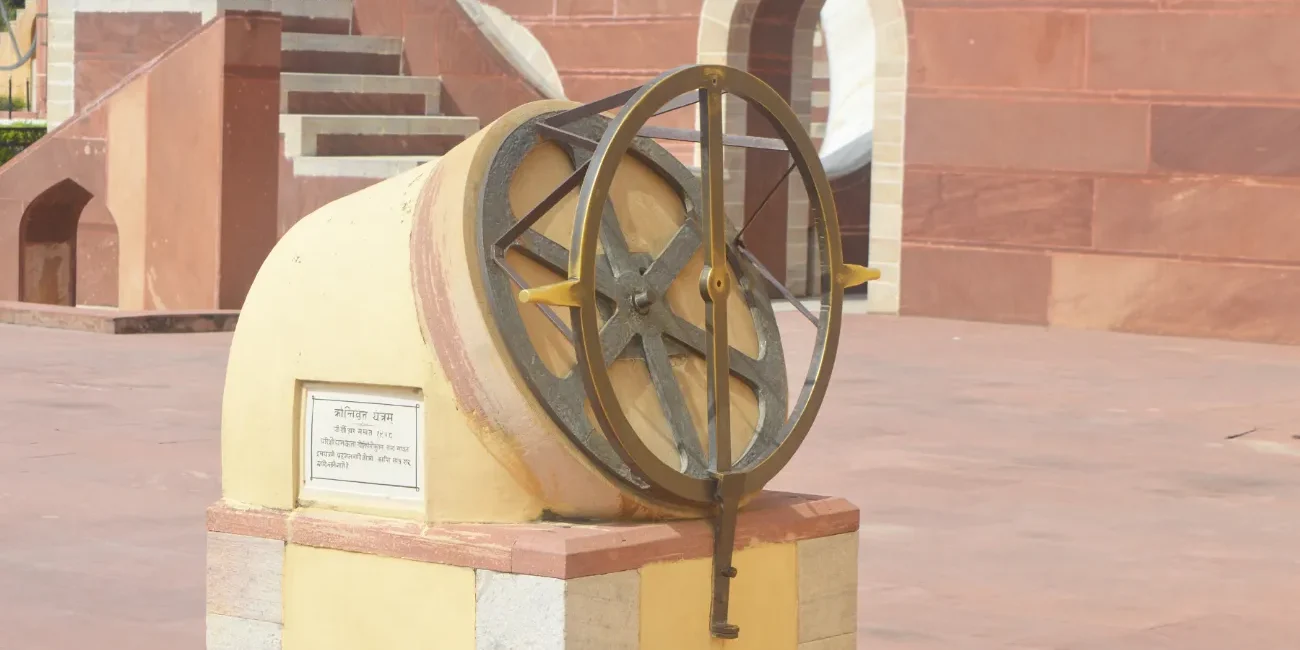
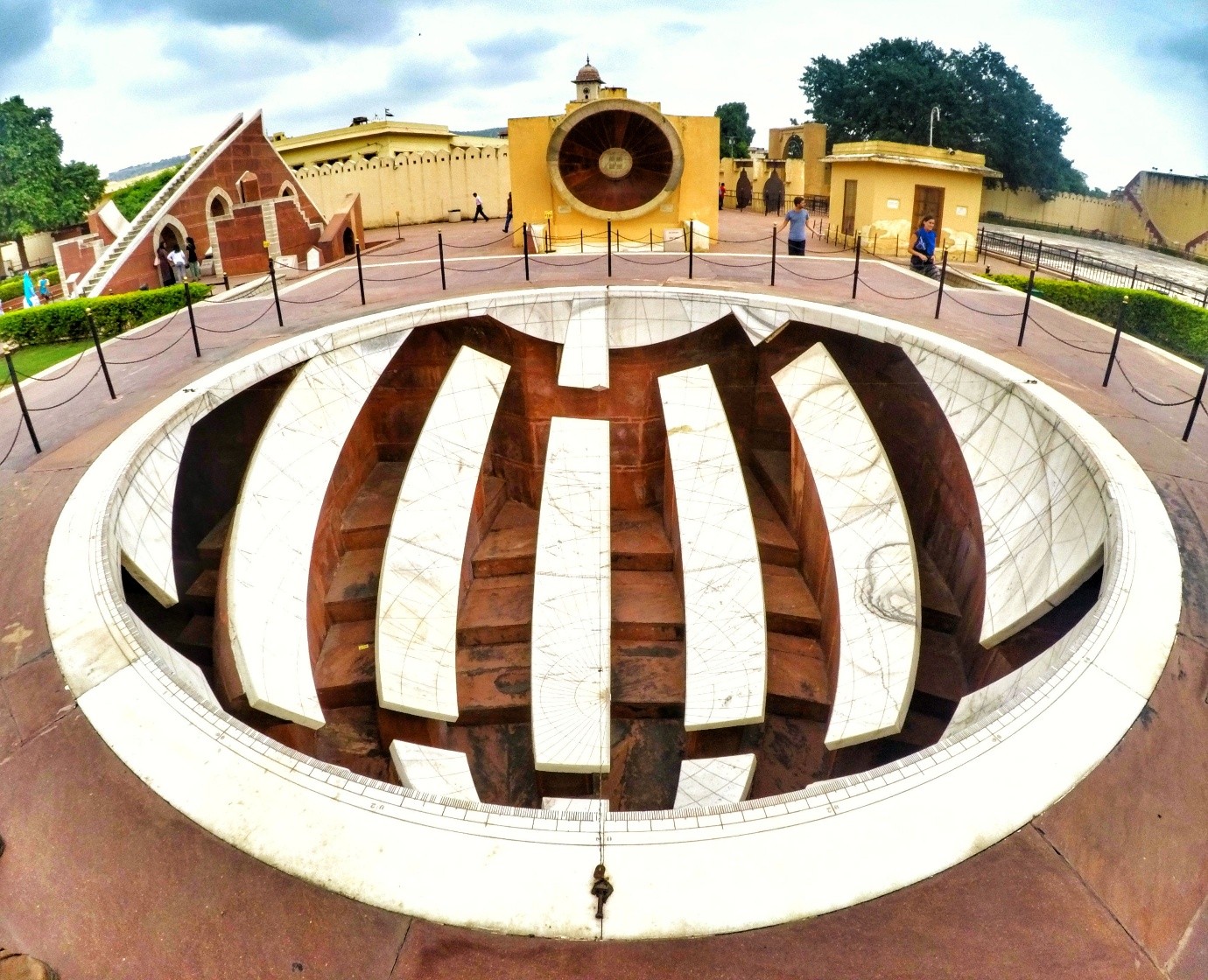
Constructed in 1734 by Maharaja Sawai Jai Singh II, Jaipur’s Jantar Mantar is the largest and best-preserved among the five observatories built by the ruler across India. Recognised as a UNESCO World Heritage Site, it houses nineteen monumental astronomical instruments designed for naked-eye celestial observations. Its most iconic structure, the Samrat Yantra, is the world’s largest stone sundial and can measure time with an accuracy of nearly two seconds. The observatory was created to improve astronomical tables and predict eclipses, planetary movements and seasonal changes with greater precision.
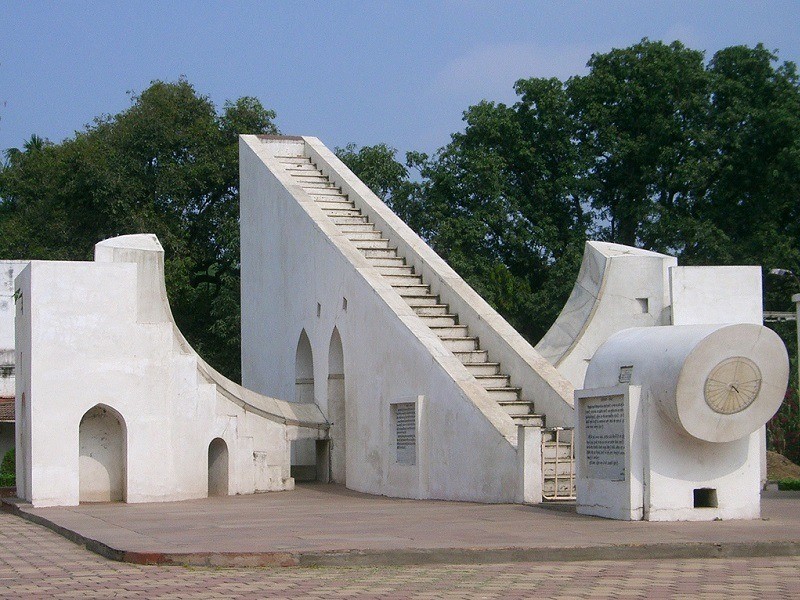
Jantar Mantar, Delhi
Built in 1724, the Delhi Jantar Mantar was the first observatory commissioned by Sawai Jai Singh II. Strategically located in the imperial capital, it became an important centre for astronomical calculations and observations. The observatory’s geometric instruments were designed to track the movement of celestial bodies and determine local time with remarkable accuracy for the period.
Jantar Mantar, Ujjain – Madhya Pradesh
Established in the early 18th century, the Ujjain observatory held particular importance because the city was historically regarded as the prime meridian of ancient India. Ujjain had long been associated with astronomical calculations and Hindu cosmology, making it an ideal location for celestial studies. The observatory’s instruments were used to measure planetary positions, eclipses and astronomical coordinates.
Jantar Mantar, Varanasi – Uttar Pradesh
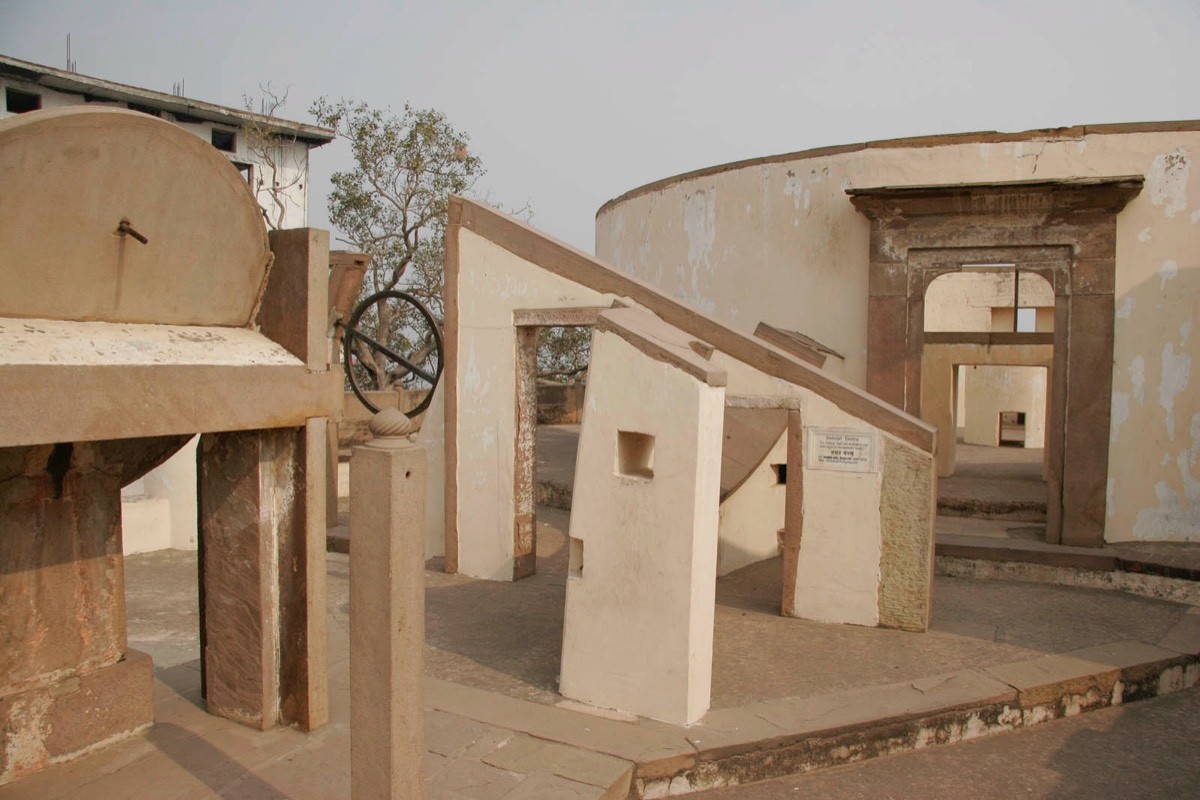
Built around 1737 near the banks of the Ganges, the Varanasi observatory reflected the close relationship between astronomy, ritual practices and sacred calendars in one of India’s oldest living cities. Observations conducted here helped determine auspicious timings, planetary alignments and important dates in the Hindu religious calendar.
Jantar Mantar, Mathura – Uttar Pradesh
Constructed during the 18th century under the patronage of Sawai Jai Singh II, the Mathura observatory once played an important role in astronomical studies in northern India. Though much of the structure no longer survives today, historical records indicate that it was equipped with instruments similar to those found at the other Jantar Mantars.
Samrat Yantra – Jaipur
The Samrat Yantra remains one of the most extraordinary astronomical instruments ever built in stone. Rising nearly 27 metres high, this monumental sundial could calculate local time, declination and the movement of celestial bodies with astonishing precision. Even today, it continues to demonstrate the scientific brilliance and engineering mastery of 18th-century India.
Maharaja Takhtasinghji Observatory – Pune, Maharashtra
Established in the late 19th century, the Maharaja Takhtasinghji Observatory contributed significantly to India’s growing interest in astrophysics and scientific education during the colonial period. Pune later emerged as an important centre for astronomy and space sciences, including institutions dedicated to astrophysical research and observational studies.
Indian Astronomical Observatory, Hanle – Ladakh
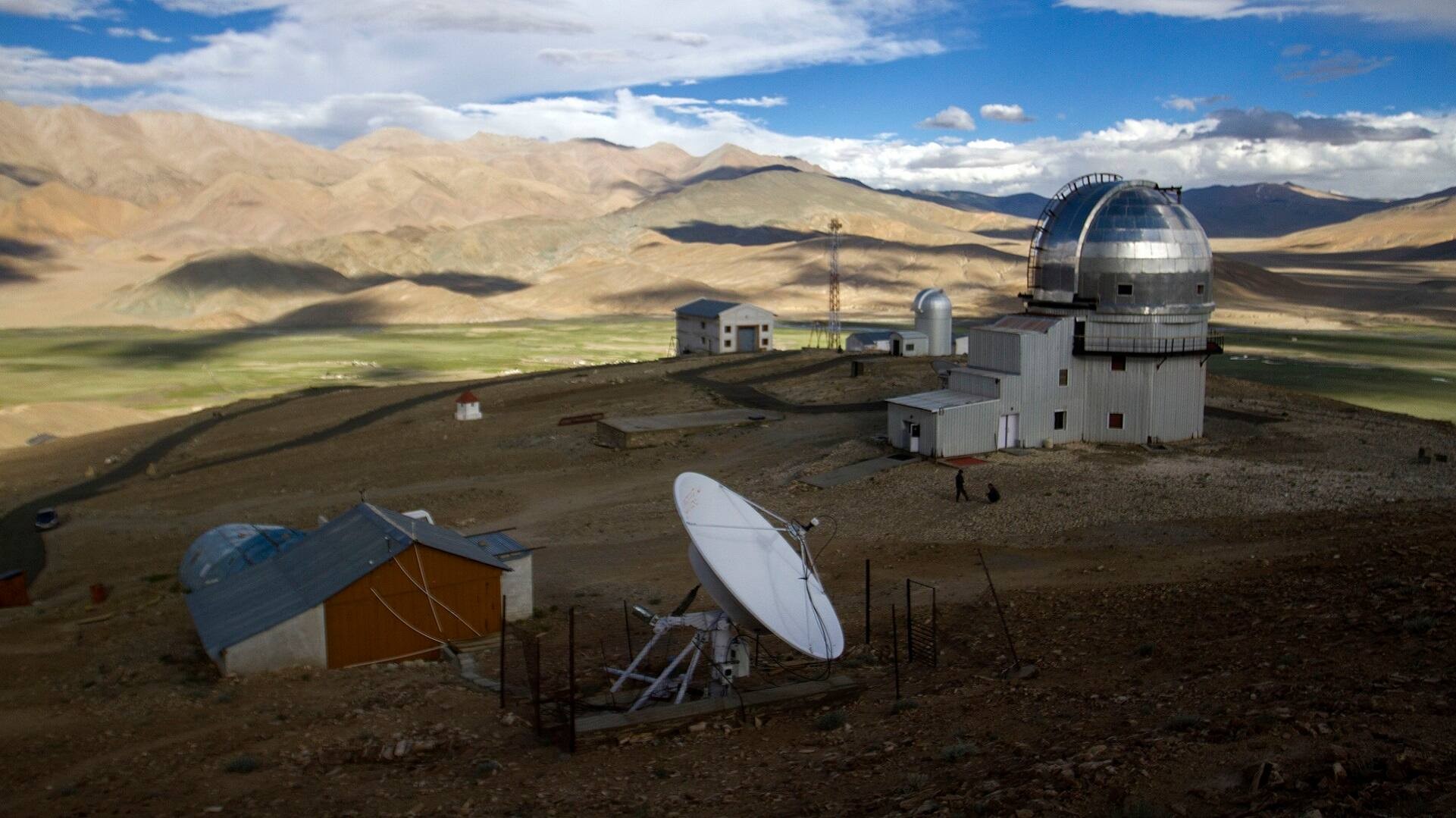
Located at an altitude of over 4,500 metres in Ladakh, the Indian Astronomical Observatory at Hanle is among the highest observatories in the world. Established in 2001, the site benefits from exceptionally dark skies, low atmospheric moisture and minimal pollution, making it ideal for observing distant galaxies, stars and cosmic phenomena. It is considered one of the finest astronomical observation sites in Asia.
Kodaikanal Solar Observatory – Tamil Nadu
Founded in 1899 in the Palani Hills of Tamil Nadu, the Kodaikanal Solar Observatory has played a pioneering role in solar physics research for more than a century. The observatory is internationally recognised for its extensive archive of solar images and long-term studies of sunspots and solar activity. Its serene hilltop setting adds to its unique scientific and historical significance.
Vainu Bappu Observatory – Tamil Nadu
Established in 1986 near Kavalur, the Vainu Bappu Observatory houses one of Asia’s largest optical telescopes. Named after renowned Indian astronomer Dr. M.K. Vainu Bappu, the observatory has contributed extensively to stellar astronomy, planetary studies and deep-space observation. Its location amidst forested hills provides excellent viewing conditions with limited light pollution.
Aryabhatta Research Institute of Observational Sciences (ARIES) – Uttarakhand
Located near Nainital in Uttarakhand, ARIES traces its origins to 1954 and remains one of India’s leading research centres for astrophysics and atmospheric sciences. Equipped with advanced telescopes and modern research facilities, the institute conducts studies on stars, galaxies, solar activity and cosmic events from its peaceful Himalayan setting.
M.P. Birla Planetarium – Kolkata
Opened in 1963, the M.P. Birla Planetarium in Kolkata is one of the largest planetariums in Asia. Inspired by the Buddhist Stupa architecture of Sanchi, its distinctive dome has become a major scientific and cultural landmark. The planetarium continues to popularise astronomy through immersive sky shows, exhibitions and educational programmes.
India’s observatories stand as enduring reminders of a civilisation that viewed science, mathematics and the cosmos with extraordinary sophistication. Whether carved in stone centuries ago or equipped with modern telescopes beneath remote Himalayan skies, these remarkable institutions continue to inspire astronomers, historians and travellers alike — preserving a timeless dialogue between India and the stars.