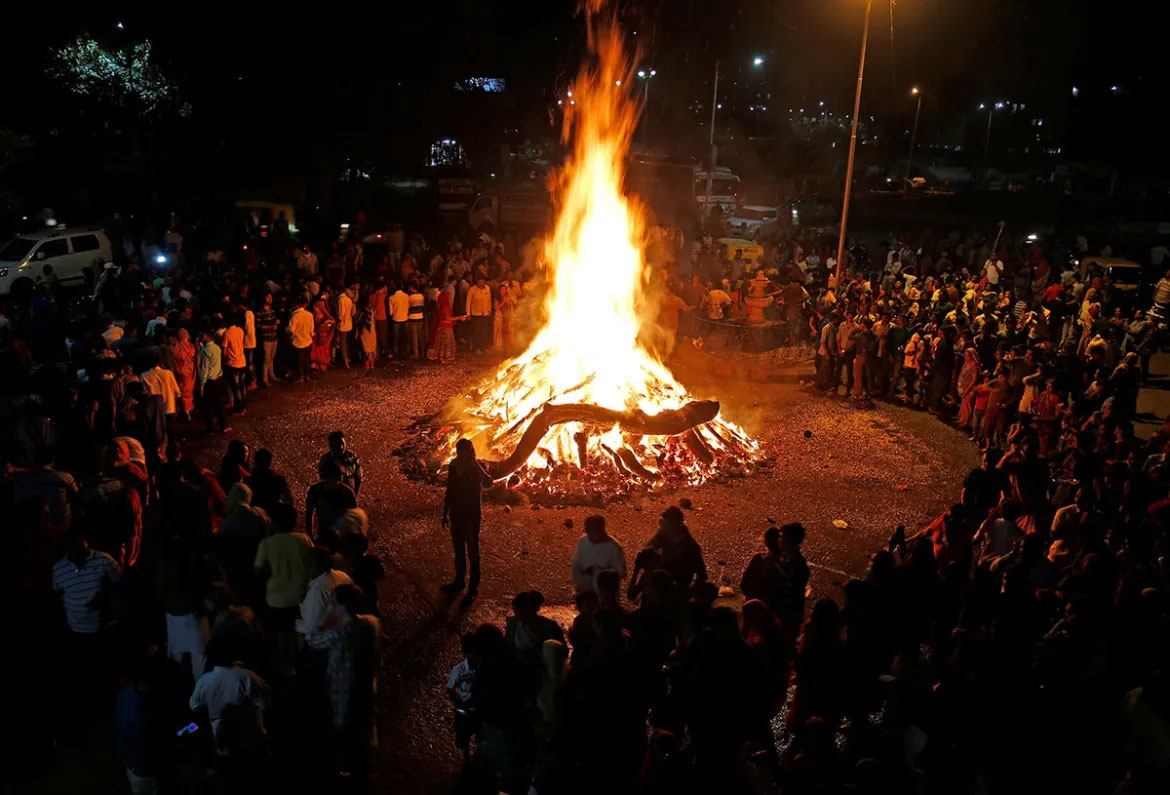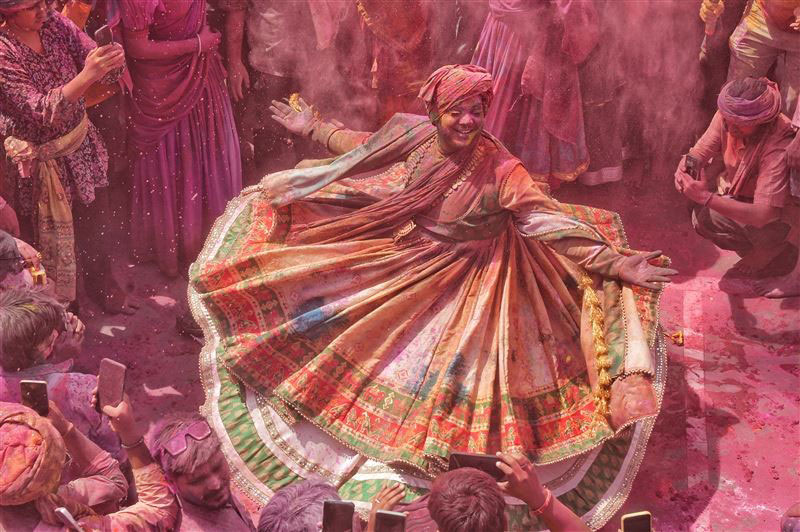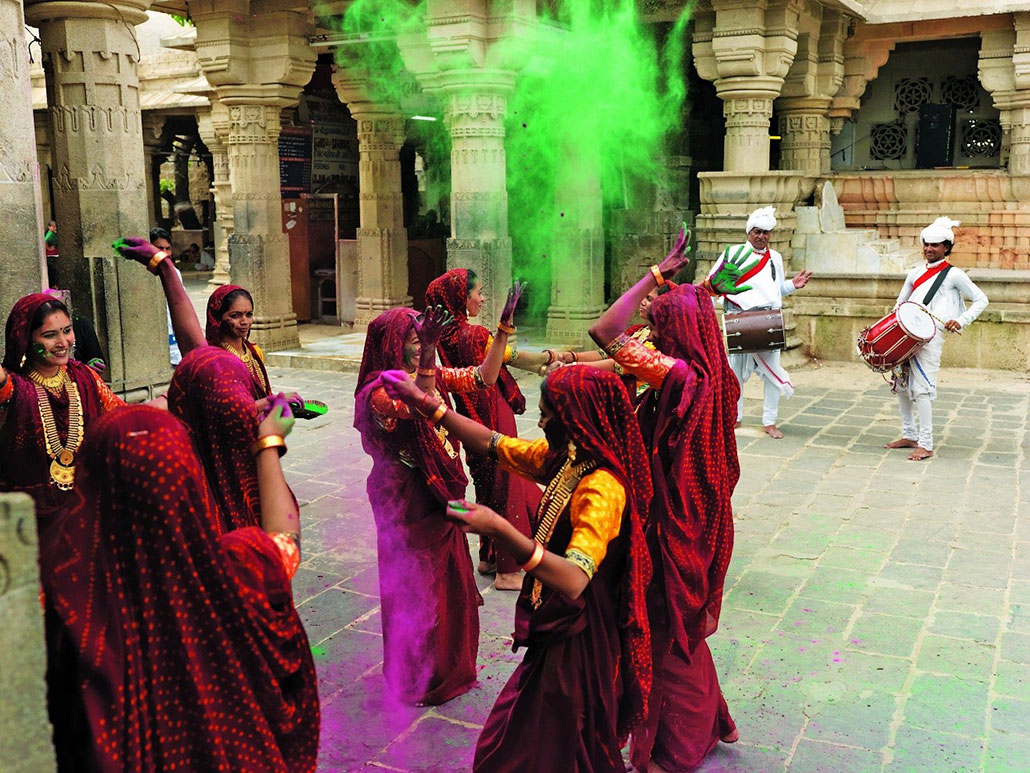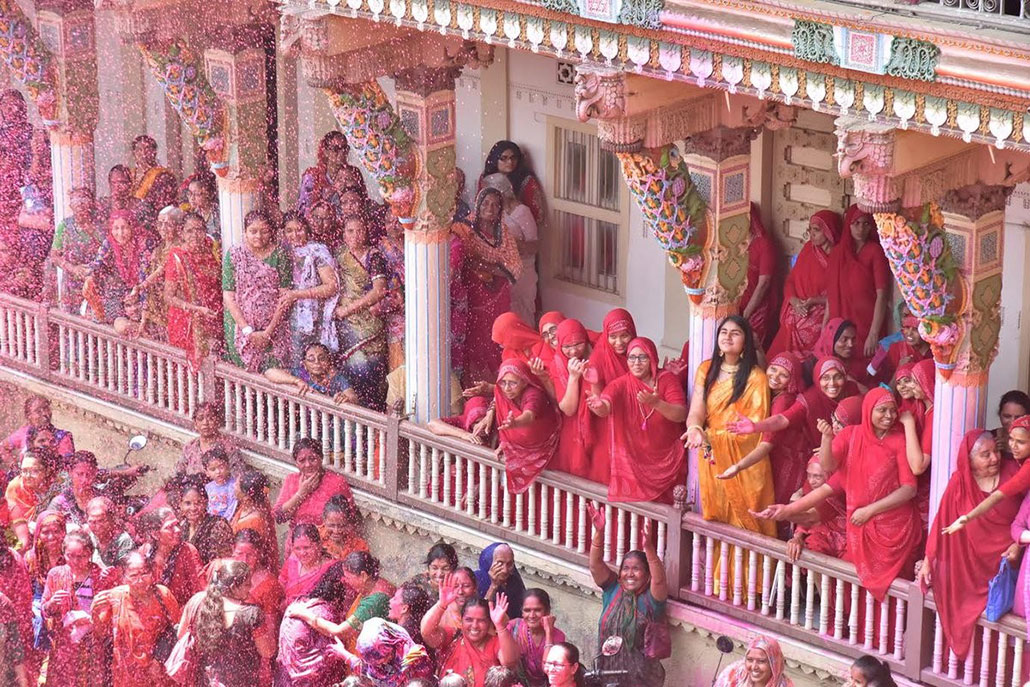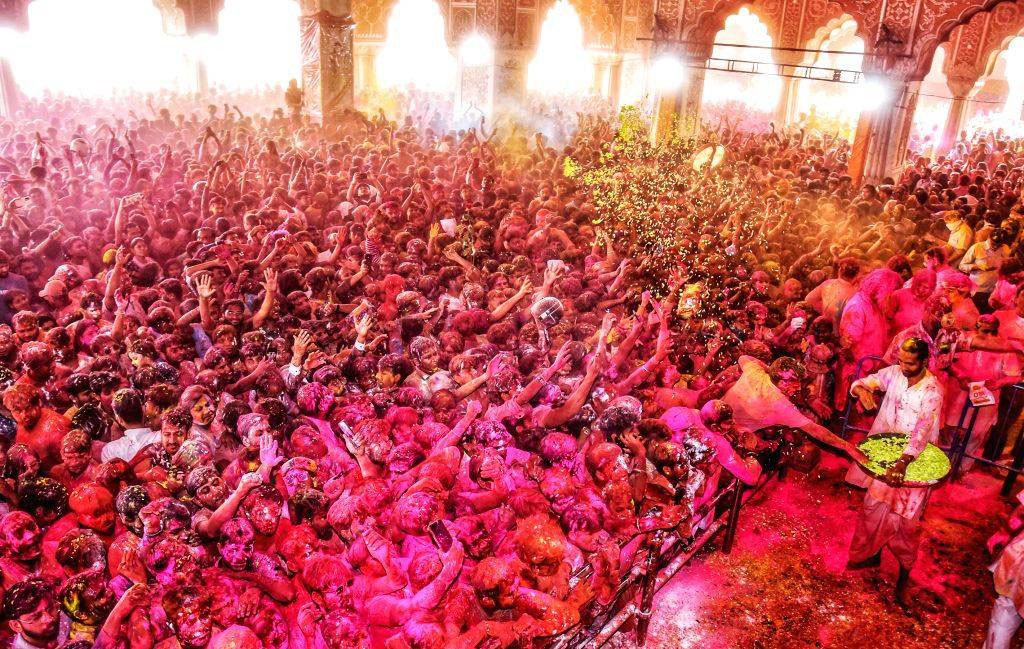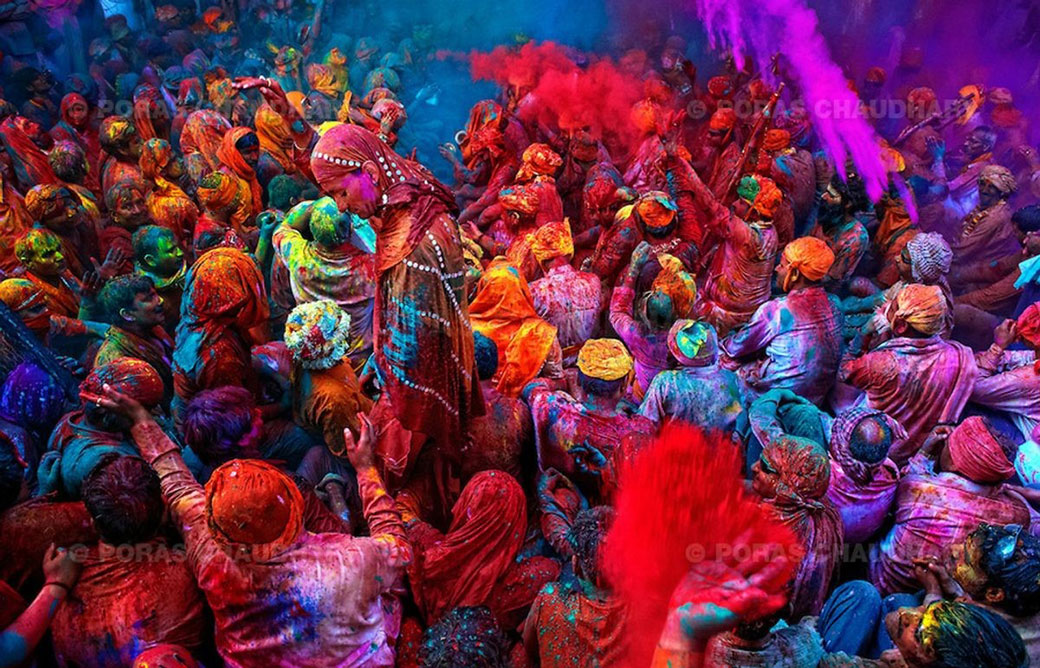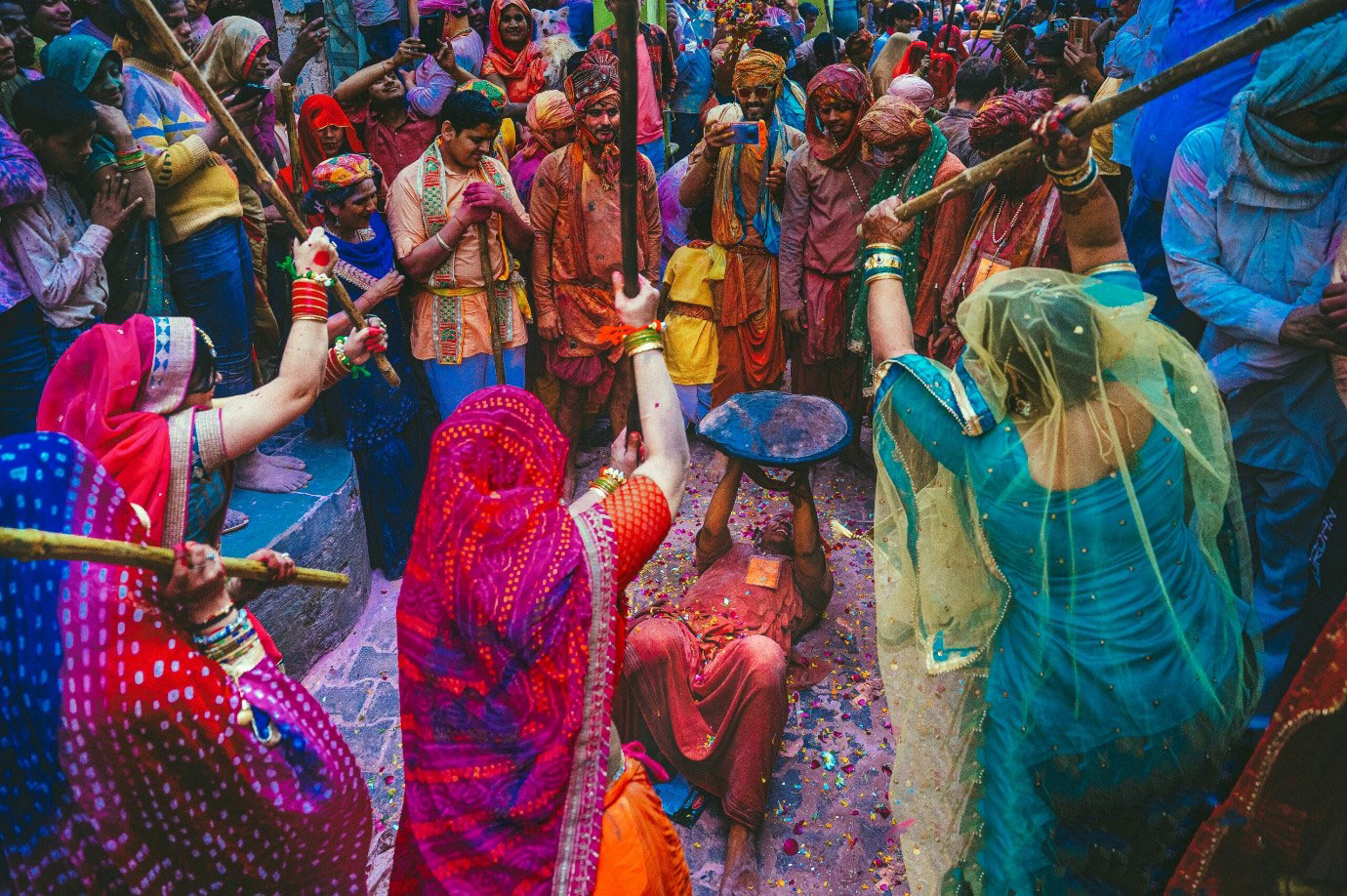
– A distinct expression of Holi – Lathmar Holi in Barsana, Uttar Pradesh
Holi Across India: Where Colour Becomes Ceremony and Tradition Endures
From royal courts and temple towns to village communities shaped by centuries of custom.
Holi across India reveals many identities—shaped by royalty, devotion, nature, and community life. From palace courtyards and temple towns to forests and eastern cultural heartlands, the festival transforms with every region. Explore some of the most distinctive Holi celebrations across the country.
1. Royal Holi in Udaipur, Rajasthan (Mewar Tradition)
Holi in Udaipur begins with a deeply ceremonial Holika Dahan held at the City Palace, led by the Maharana of Mewar himself. Members of the erstwhile royal family, dressed in traditional attire, light the sacred fire while courtiers, priests, and invited guests gather in the palace courtyard. The following day is marked by private celebrations using flower petals, soft colours, and heritage rituals—often accompanied by Mewar folk music and curated royal hospitality, offering guests rare access to living royal tradition.
2. Heritage Holi in Jaipur, Rajasthan (City Palace Celebrations)
In Jaipur, Holi is observed within the historic precincts of the City Palace, where the royal family continues age-old customs. The celebrations begin with temple prayers and symbolic rituals, followed by intimate courtyard gatherings featuring gulal, floral colours, and traditional performances. Unlike the exuberance of public Holi, this is a graceful affair—defined by decorum, cultural continuity, and curated experiences—often extended to select heritage homes and palace venues across the Pink City.
3. Lathmar Holi in Barsana & Nandgaon, Uttar Pradesh (Brajdham Region)
In Barsana, Holi unfolds as a dramatic re-enactment of Radha and Krishna’s playful legends. Women ceremonially “chase” men with sticks (lathis), while devotional songs echo through temple courtyards. Visitors witness the spectacle from designated areas near the Radha Rani Temple, where colours, laughter, and faith blend seamlessly. The celebrations continue in neighbouring Nandgaon, creating a two-day immersive journey through myth, devotion, and deeply rooted village traditions.
4. Phoolon Ki Holi in Vrindavan, Uttar Pradesh (Widows’ & Devotional Holi)
Vrindavan offers a profoundly moving Holi experience, centred around temples like Banke Bihari and Gopinath. Here, Holi is celebrated through devotional singing, flower petals, and gentle colours—especially during the Phoolon ki Holi. In recent years, widows have reclaimed Holi as a festival of inclusion, making this celebration both spiritual and transformative. The atmosphere is meditative yet joyful, ideal for travellers seeking cultural depth over revelry. This floral celebration presents Holi as an expression of reverence, grace, and quiet festivity.
5. Refined Holi in Gujarat (Devotional & Community Traditions)
In Gujarat, Holi is closely tied to devotion, especially in regions influenced by Krishna traditions. The festival begins with Holika Dahan, followed by temple visits, folk songs, and community celebrations. Rather than excess, Gujarat’s Holi reflects simplicity, shared meals, and collective joy, highlighting strong social bonds and spiritual undertones woven into everyday life. For luxury travellers, this offers a calm, authentic insight into local life—often experienced through heritage stays, private temple visits, and curated interactions with local communities.
6. Forest Holi in Jharkhand
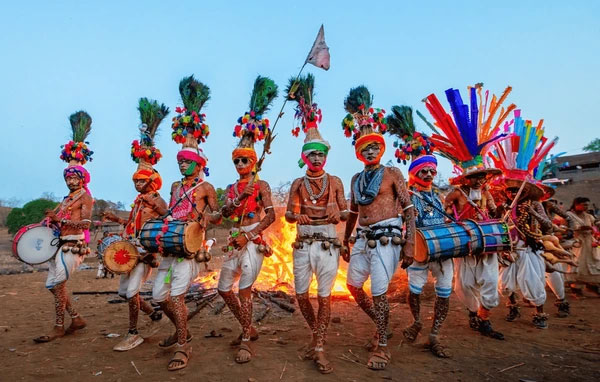
Among Jharkhand’s indigenous communities, Holi is celebrated as a nature-aligned festival. Colours are derived from flowers and forest elements, while celebrations revolve around collective dancing, rhythmic drumming, and storytelling around village fires. Rather than chaos, the emphasis is on harmony with nature and ancestral customs. Guests experience Holi as a participatory ritual—grounded, soulful, and deeply connected to the land.
7. Tribal Holi in Madhya Pradesh
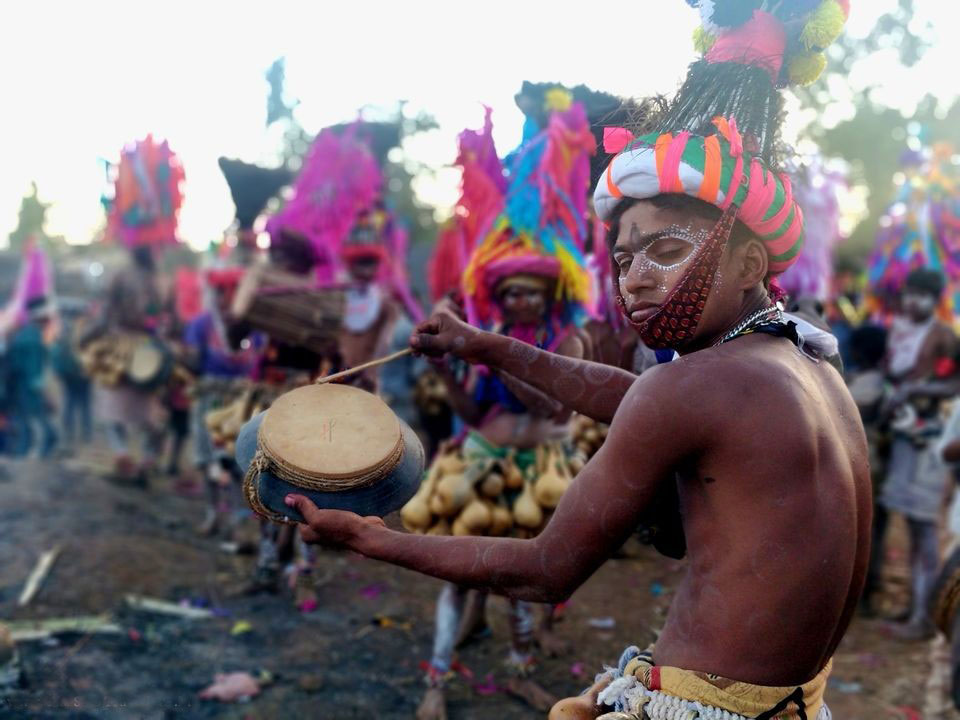
In central India, tribal Holi is marked by communal gatherings, traditional attire, and folk dances performed to the beat of drums and wind instruments. The festival serves as a social unifier, strengthening bonds within the community. Visitors are welcomed respectfully to observe and sometimes participate, gaining insight into rituals passed down generations—an experience far removed from mainstream celebrations and rich in cultural authenticity.
8. Dol Jatra in West Bengal (Eastern India)
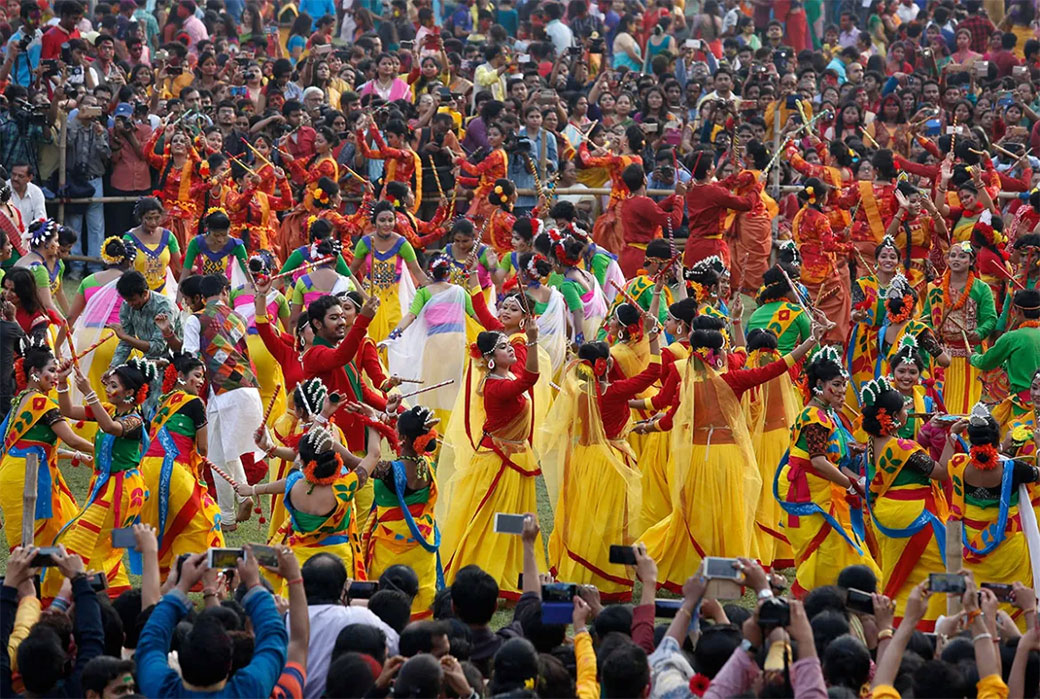
In Bengal, Holi takes the form of Dol Jatra, a graceful celebration dedicated to Radha and Krishna. Idols are placed on decorated palanquins and carried through temple courtyards, accompanied by classical music and devotional chants. Soft abir replaces loud colours, making this a poetic and artistic interpretation of Holi—best experienced in heritage towns and cultural centres.
9. Shigmo in Goa (Spring Festival)
In Goa, Holi is celebrated as Shigmo, a vibrant spring festival rather than a colour-centric event. Villages host colourful processions, folk dances, and mythological performances, highlighting Goa’s rural and cultural heritage. Shigmo blends seasonal renewal with storytelling and music, offering a distinctive regional expression of Holi.