– Pink City Rickshaw Ride, Jaipur, Rajasthan
The Women Shaping India’s Travel Experiences : Stories, Skills & Traditions of India!!
Explore stories of women whose knowledge, creativity and enterprise enrich the travel experience.
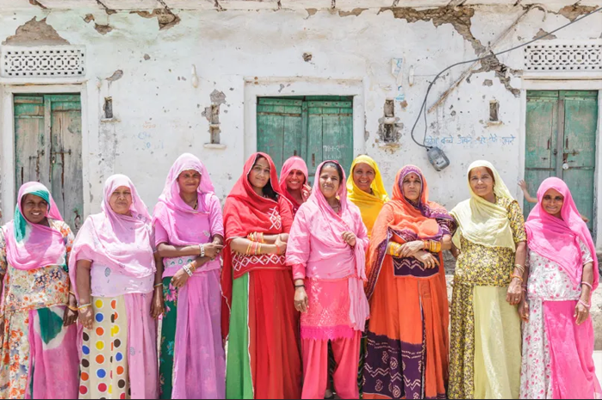
Women are bringing a distinctive perspective to India’s travel landscape, combining traditional knowledge with contemporary ideas in hospitality, cuisine, wellness, craftsmanship and community-based experiences. From intimate culinary encounters and meditation sessions to artisan workshops and women-led initiatives, these experiences offer a thoughtful way to discover the country while gaining insight into the skills, traditions and stories that continue to shape local communities.
Meditation & Yoga Session in Darjeeling with Ms. Shikha Rai
Ms Shikha Rai is a fitness instructor with over a decade of experience, specialising in Ashtanga Yoga and meditation, and is also a certified coach in functional fitness, strength and cross-training. A private session with Shikha introduces travellers to mindful movement through a combination of mobility exercises, pranayama, yoga asanas and meditation, encouraging greater awareness of the breath and body. The session can be tailored to individual comfort and fitness levels, making it suitable for both beginners and experienced practitioners. For a particularly memorable experience, the session can be arranged at Tiger Hill, one of Darjeeling’s most celebrated viewpoints. Set against panoramic views of Kanchenjunga and the Himalayan ranges, the quiet mountain surroundings and fresh morning air provide a natural setting for yoga and meditation. Beginning the day with mindful movement as the mountains emerge in the early light creates a peaceful and deeply personal experience of Darjeeling.
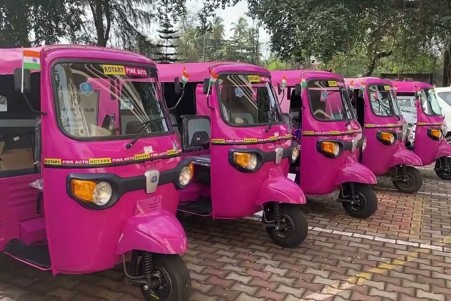
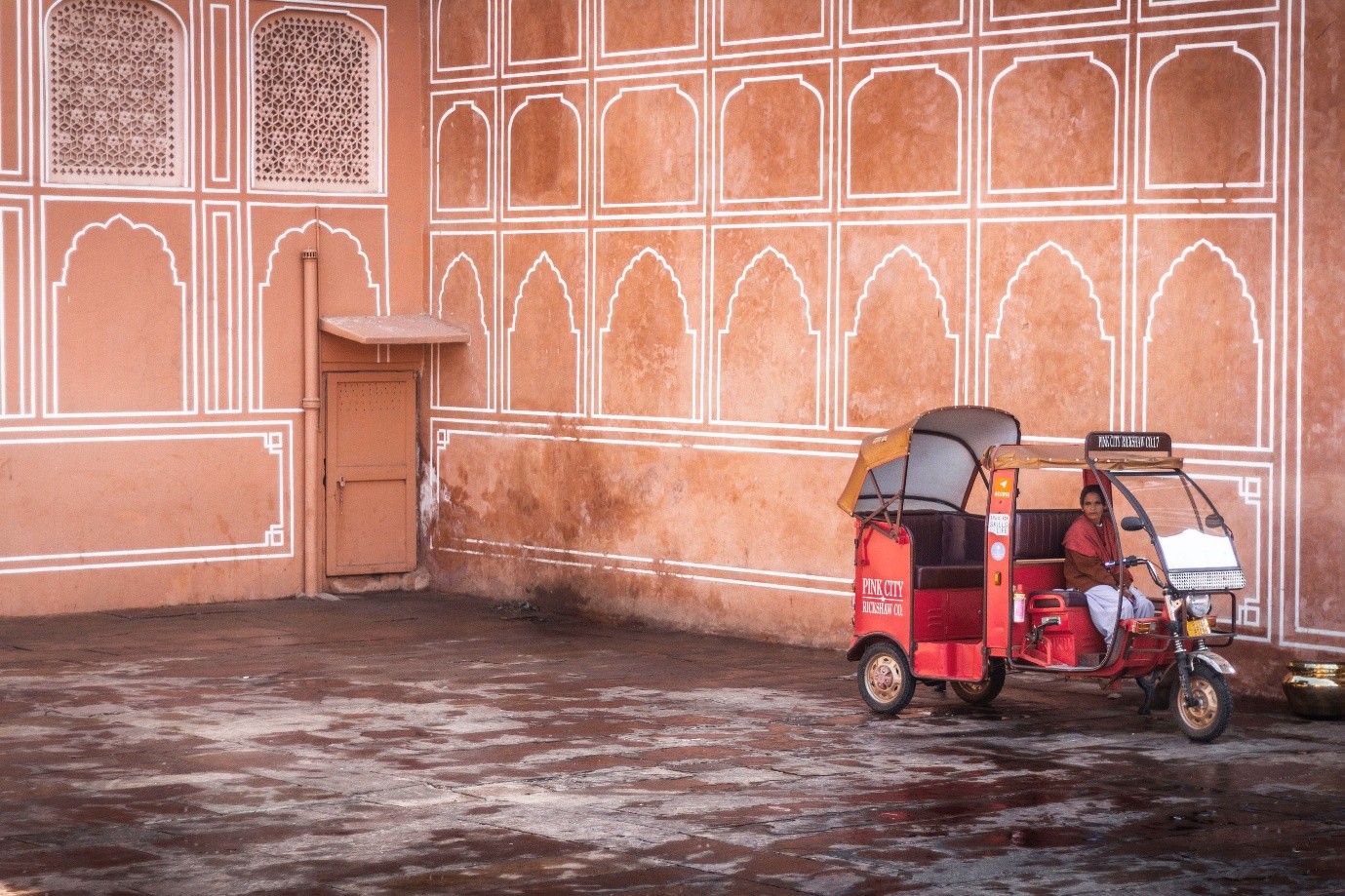
Pink City Rickshaw Ride – Women Driving a New Way to Discover Jaipur
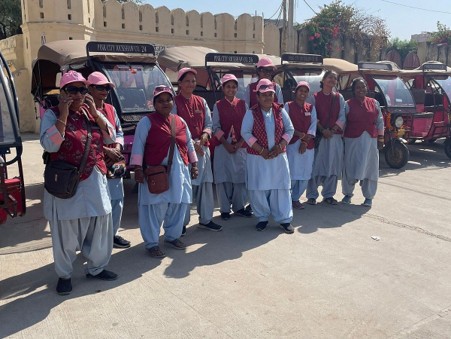
The Pink City Rickshaw Ride offers a different way to explore Jaipur, travelling through the city in specially designed electric rickshaws driven by trained local women. Rather than following only the main tourist routes, the experience can include historic neighbourhoods, local markets, craft areas and everyday parts of the Pink City. The women drivers are trained not only in driving but also in customer interaction and tourist guiding, allowing them to share their own knowledge and perspective of Jaipur along the way. Guests can also choose themed experiences combining heritage, local food, markets and cultural sights, making the ride more than simply a means of getting around the city. Launched in 2016 as a social enterprise, the Pink City Rickshaw initiative was created to provide women from low-income communities with sustainable employment opportunities. The women involved are also co-owners of the enterprise, giving the experience a direct connection to women’s economic empowerment.
Sadhna – Women Artisans of Mewar
Sadhna is a women’s handicraft enterprise working with more than 550 women artisans from rural, tribal and urban-poor communities across Udaipur and Rajsamand districts. Established in 1988 as an income-generation initiative under Seva Mandir, it began with just 15 artisans and has grown into a recognised platform for preserving traditional Mewari textile crafts. Guests can visit artisan communities and workshops to see the intricate work involved in Tanka embroidery, appliqué and patchwork, learn how these techniques are applied to contemporary textiles and, where arranged, take part in a simple hands-on craft activity. Delwara, around 27 km from Udaipur, is Sadhna’s largest and oldest artisan cluster, with more than 250 artisans and a Common Facility Centre where production activities take place. Beyond the craft itself, the experience offers an insight into how traditional skills can support financial independence, fair wages and sustainable livelihoods for women, while keeping Mewar’s textile traditions relevant to contemporary markets.
Local Women’s Handicraft Experience – KB Cooperative, Jaisalmer
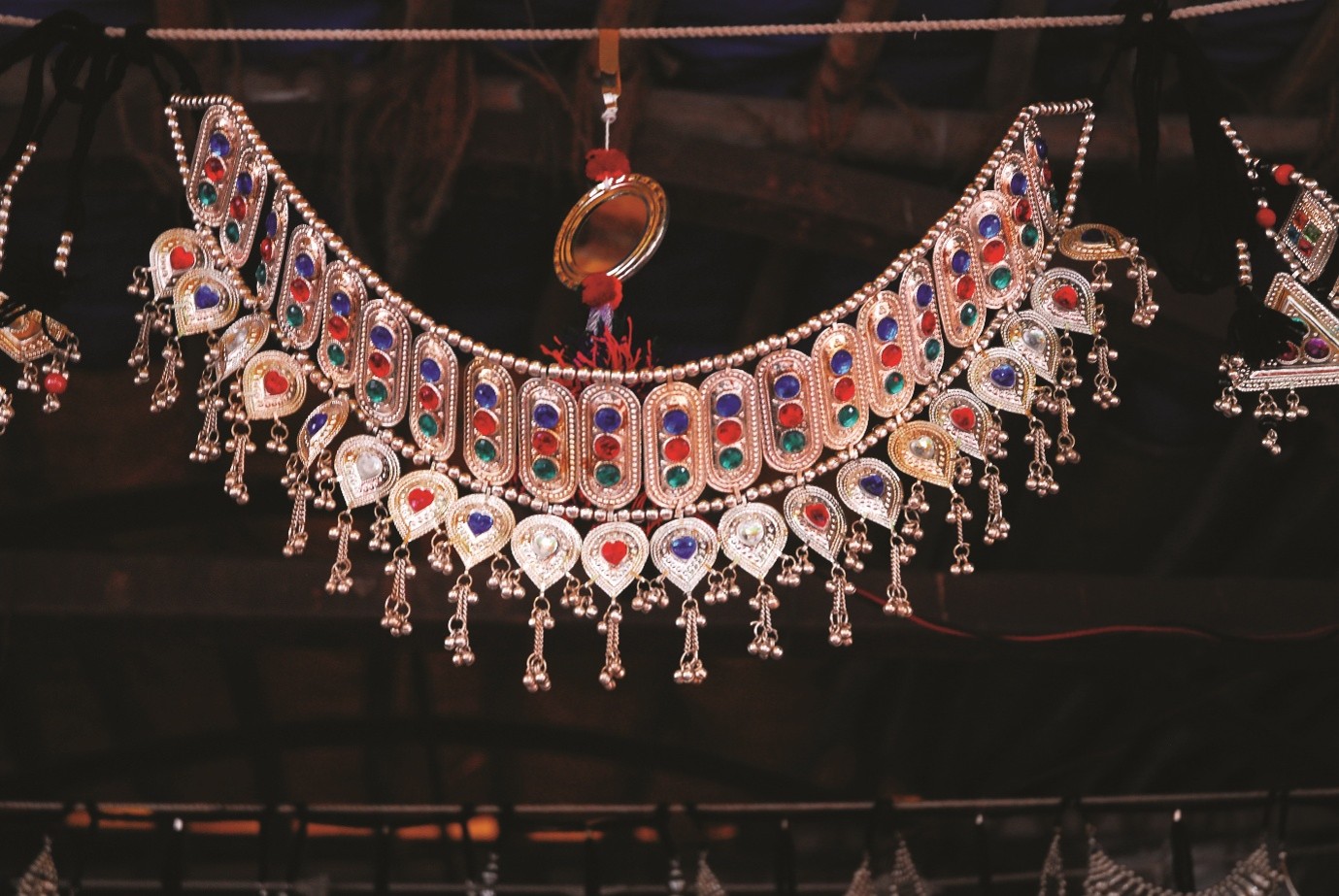
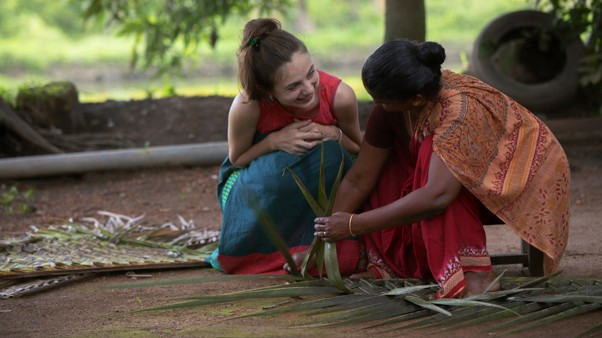
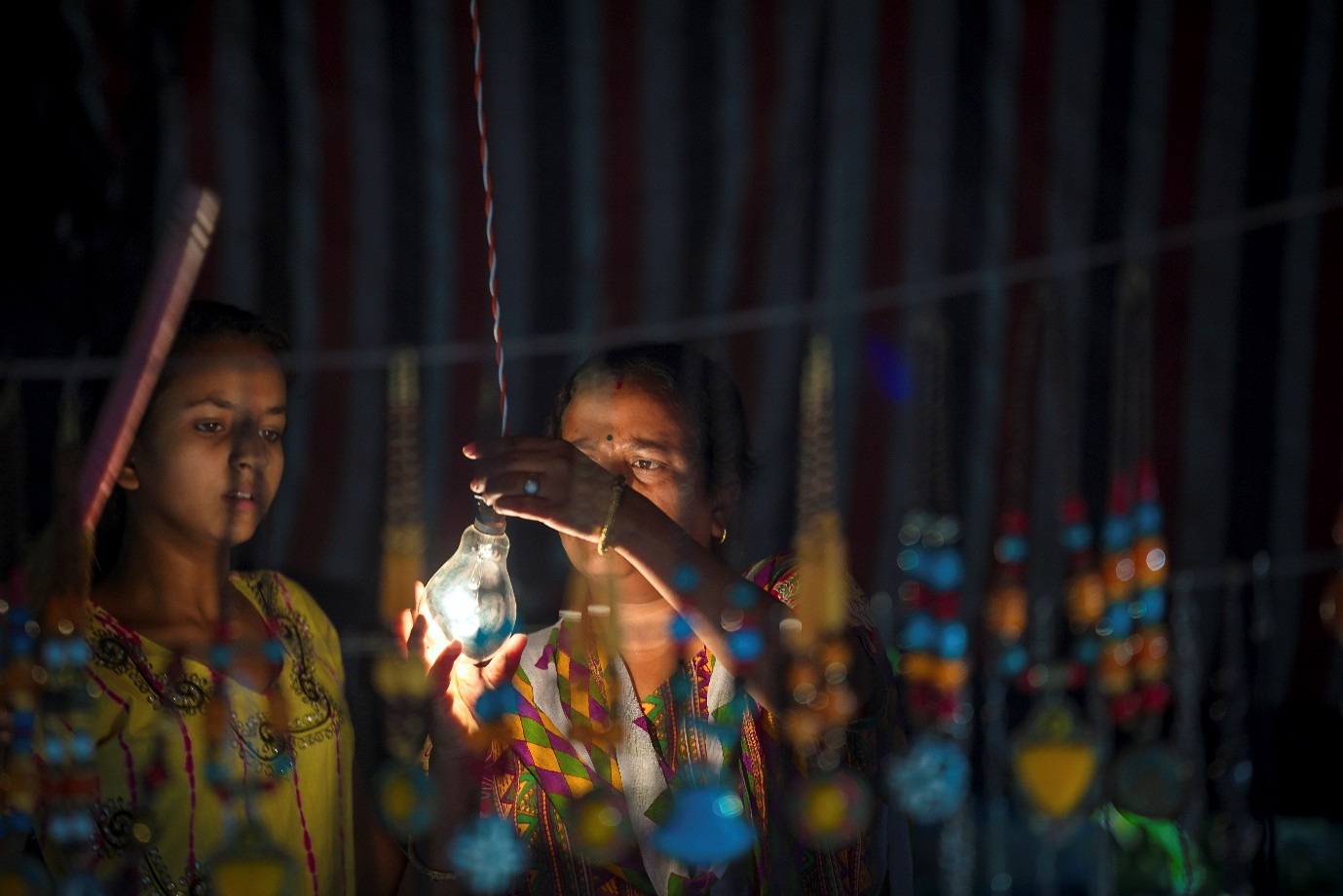
A visit to KB Cooperative Art in Jaisalmer offers an opportunity to explore Rajasthan’s rich textile traditions through the work of local women artisans. The cooperative showcases a range of handcrafted textiles, including traditional embroidery, appliqué, patchwork and decorative wall hangings, reflecting the vibrant colours and patterns associated with the region. Guests can spend time with the artisans, learn about the techniques and craftsmanship behind the textiles, and gain an understanding of how pieces are created by hand. Where possible, a simple demonstration or hands-on introduction to the embroidery technique can be arranged, making the experience more interactive and personal. Located close to Jaisalmer Fort, the visit can be incorporated naturally into a city exploration. Beyond seeing and purchasing traditional crafts, it provides a closer look at the skills, creativity and local textile heritage preserved through women’s handicraft work.
Traditional Weaving – Vankar Community & LLDC, Kutch
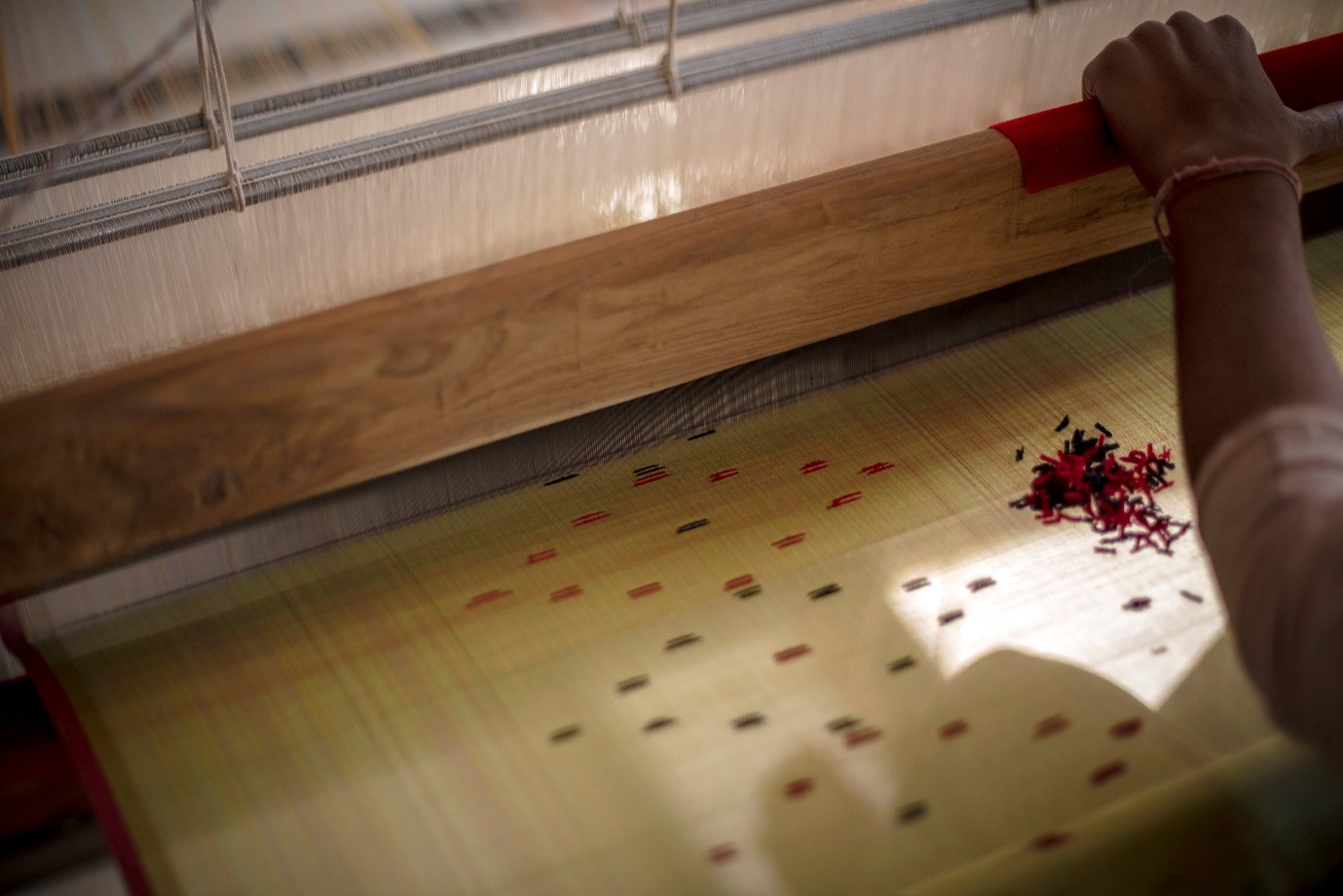
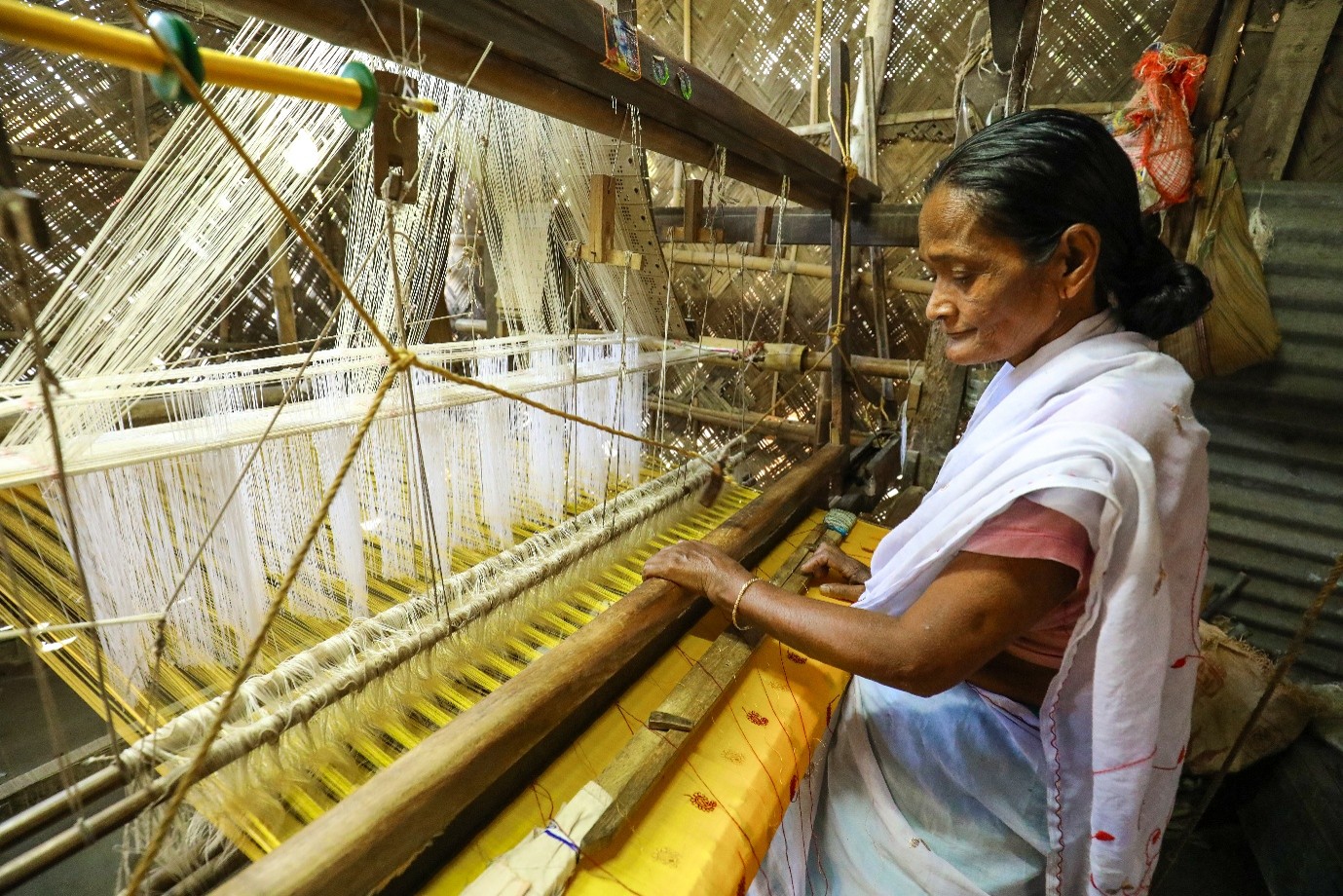
A visit to the Living & Learning Design Centre (LLDC) in Ajrakhpur offers an introduction to Kutch’s rich and diverse textile traditions, with opportunities to see traditional crafts being practised by artisans. The centre has a dedicated crafts studio where visitors can observe artisans working with techniques including weaving, embroidery, block printing and other regional crafts. The Vankar community has a long association with handloom weaving in Kutch. Traditional Kutchi textiles are woven on pit or frame looms, often using cotton or wool, with distinctive extra-weft techniques used to create geometric motifs and patterns. Guests can see the weaving process at close quarters and gain an understanding of the skill and patience involved in producing these textiles. The experience can be complemented by a visit to LLDC’s galleries, including “The Living Embroideries of Kutch,” which showcases embroidery traditions practised by women from twelve different communities. Together, the weaving and embroidery experiences provide a broader insight into Kutch’s living craft heritage and the communities that continue to preserve these traditions.
The Lodge at Wah, Palampur – A Himalayan Retreat Rooted in Tea & Tradition
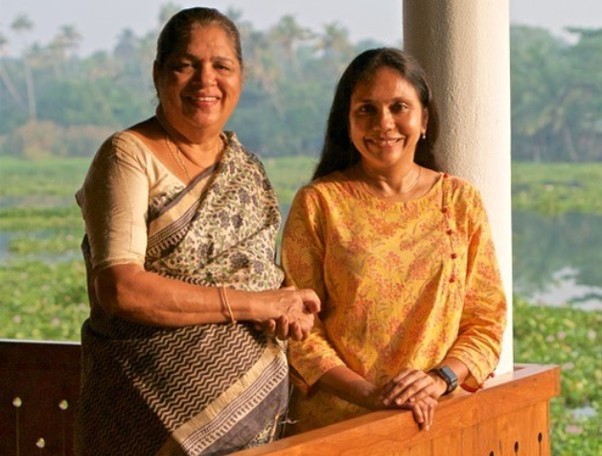
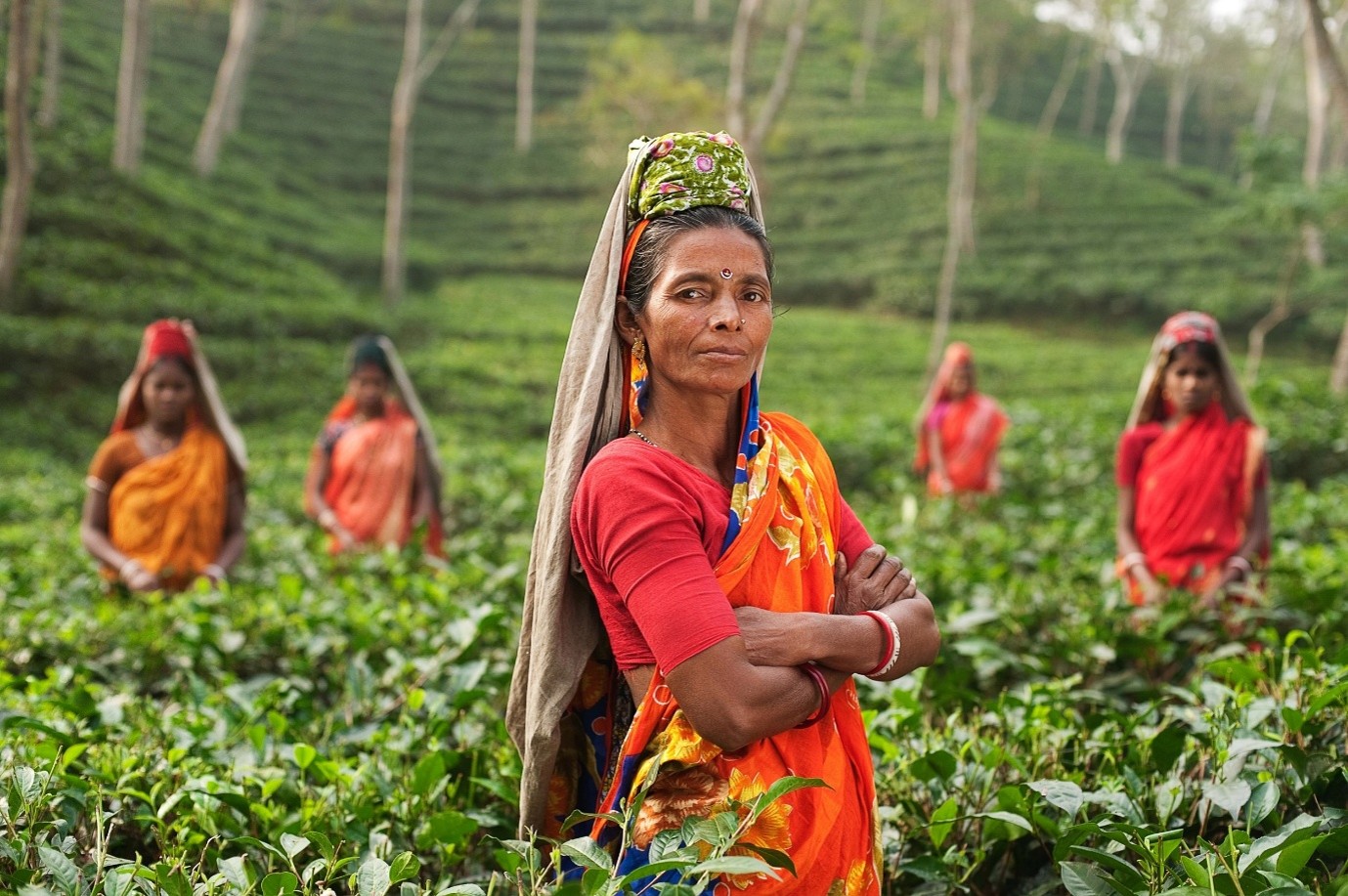
Set within the historic Wah Tea Estate in Kangra Valley, The Lodge at Wah is a family-run retreat where hospitality is closely connected with the life of the estate. Upasana Prakash, who co-manages the lodge with her husband Surya, plays an important role in creating its warm and personal style of hosting.
Guests are welcomed into the rhythm of estate life, with opportunities to walk through the tea gardens, visit the tea factory, learn about Kangra tea and enjoy home-style meals prepared with local and estate-grown produce. Time spent with the family over tea or a meal adds a genuine sense of connection to the stay. What makes the experience special is Upasana’s personal approach to hosting — sharing the family’s story, introducing guests to the estate and creating an atmosphere that feels more like being welcomed into a home than staying at a hotel.
Philipkutty’s Farm – Women, Farming & Backwater Hospitality
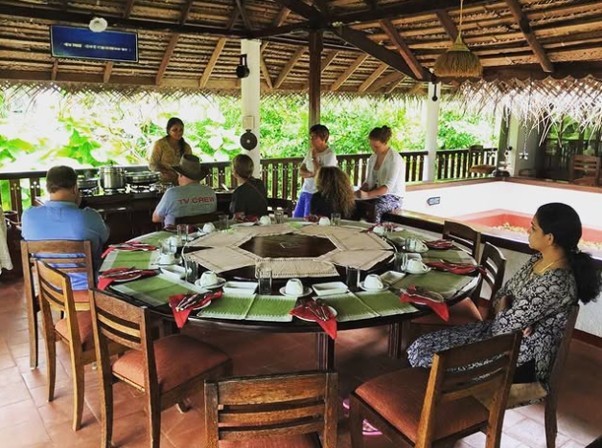
Set in the backwaters of Kerala, Philipkutty’s Farm is a working agricultural property and family-run homestay led by Mrs. Anu, whose involvement has been central to developing its distinctive hospitality experience. Guests can explore the farm, learn about agriculture adapted to Kerala’s backwater landscape and enjoy traditional cuisine prepared with local produce and family recipes. Time with the hosts also offers an insight into everyday life and traditions of the region. The experience is personal and immersive, bringing together farming, food and family hospitality in a setting that reflects the character of rural Kerala. Guests can also enjoy the peaceful surroundings of the waterways and understand how life and agriculture have adapted to this unique landscape.
Nimmy Paul – A Taste of Kerala at Home
Based in Kochi, Nimmy Paul is a professional cookery instructor with more than two decades of experience, known for sharing the traditional cuisine of Kerala and the culinary traditions of her Syrian Christian heritage. She began teaching cooking professionally in the early 1990s and has since welcomed guests from around the world into her home. Guests can join Nimmy for a private cooking demonstration and home-hosted meal, learning about Kerala’s ingredients, spices and cooking methods while watching traditional dishes being prepared. Depending on the arrangement, the experience can also include hands-on cooking. Her menus feature classic Kerala preparations, including seafood and vegetarian dishes, followed by a multi-course meal enjoyed at home. What makes the experience special is the opportunity to explore Kerala cuisine through the knowledge of a local woman, combining cooking, family traditions and genuine home hospitality in a relaxed setting.
Kudumbashree – Travelling Kerala with Women Drivers
Kudumbashree has developed women-operated taxi and auto services in Kerala, providing travellers with a practical way to explore the state while supporting women-led livelihoods. The SHE Tourist Call Auto/Taxi service is operated by trained women who receive training in both driving and tourist guiding. Guests can use these services for local sightseeing and transfers, with the women drivers offering not only transportation but also a local perspective on the places they visit. The initiative was designed to provide safe and dependable transport for women, families and tourists, while creating income opportunities for women within their communities. For travellers, the experience adds a simple but meaningful dimension to exploring Kerala — travelling with a local woman while supporting a community-based initiative that promotes greater economic independence through tourism and transport.
Kalakshetra Foundation – The Vision of Rukmini Devi Arundale
Founded in 1936 by Rukmini Devi Arundale, the Kalakshetra Foundation in Chennai was created with a vision of preserving and presenting Indian artistic traditions through education and performance. Set across nearly 100 acres near the coast, the campus is dedicated to the study of classical Indian arts, particularly Bharatanatyam, Carnatic music, traditional crafts and other forms of artistic expression. A visit offers an opportunity to experience this living centre of Indian culture through its distinctive campus, artistic spaces and, where arranged, performances or demonstrations. Rukmini Devi’s influence remains central to Kalakshetra’s identity, making the experience particularly relevant to understanding the contribution of women to India’s cultural and artistic heritage.
Village Life & Women Artisans – Madurai
The villages around Madurai offer an opportunity to discover Tamil Nadu’s living craft traditions through the women and families who continue to practise them. Guests can visit local artisan communities, see traditional techniques at close quarters and learn how these skills are passed from one generation to the next. Madurai Sungudi Sarees are a distinctive tie-and-dye textile tradition dating back several centuries. Artisans create the characteristic patterns by carefully tying sections of the fabric before dyeing, producing the fine dotted designs associated with Sungudi textiles. A visit can offer an insight into the detailed, largely hand-based process behind these colourful cotton and silk sarees.
n Vilachery, a village near Madurai, families continue the tradition of making handcrafted clay and terracotta dolls, particularly the colourful figures used during the Navaratri Golu festival. Guests can see the dolls being shaped, dried and hand-painted, gaining an appreciation of the skill and patience involved in this seasonal craft. Together, these village experiences provide a closer look at Madurai’s craft communities, their creative skills and the role of handicrafts in sustaining local livelihoods.
Cooking with Sundari – A Tamil Brahmin Home in Chennai
Step into Sundari’s home for a private cooking experience centred around the traditions of Tamil Brahmin vegetarian cuisine. The experience begins with an introduction to her home and the dishes to be prepared, followed by a hands-on session in the kitchen where guests learn to prepare three traditional South Indian dishes. Sundari introduces guests to the spices, fresh ingredients and cooking techniques used in everyday Tamil cuisine, while also sharing the cultural background behind the recipes. The meal is then enjoyed at home in the local style, served on a banana leaf or stainless-steel plate and traditionally eaten by hand. For those interested in local food shopping, an optional visit to the nearby Sastri Nagar neighbourhood supermarket can be arranged with Sundari. She can introduce guests to commonly used South Indian ingredients and spices and help them select items to take home. The experience combines cooking, food traditions and home hospitality, offering a personal insight into everyday culinary life in Chennai.
Together, these experiences highlight the many ways women contribute to India’s rich cultural and social landscape — preserving traditional skills, creating livelihoods, sharing knowledge and shaping new forms of hospitality. For travellers, they offer meaningful opportunities to go beyond the familiar and experience India through personal encounters, local perspectives and traditions that continue to evolve.