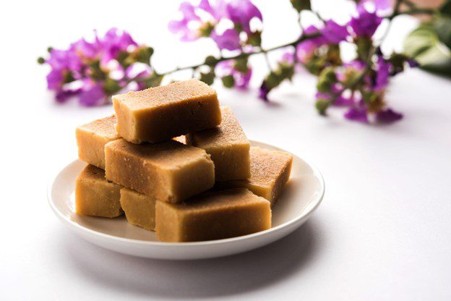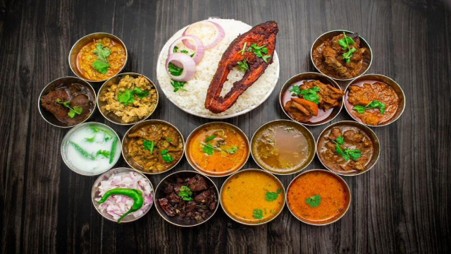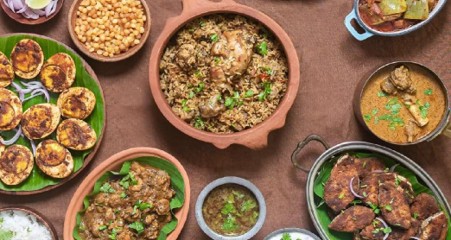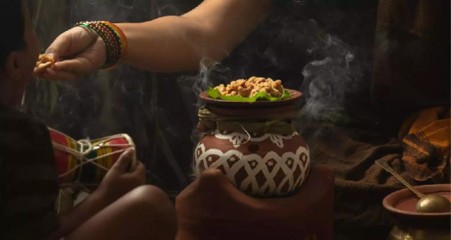
– Traditional Bengali Dishes Served on a Banana Leaf
The Flavours Behind India: Distinctive culinary heritage beyond the recipe
Discover India through its kitchens, flavours and the traditions that continue to bring them to life.
India’s culinary heritage is as layered as its history. Royal courts, temple traditions, trading communities, coastal influences and generations of family cooking have each contributed to the remarkable diversity of its regional cuisines. From recipes preserved in palace kitchens to dishes prepared every day in family homes, food offers an intimate connection to the people and places that make India unique.
Rajasthan – The Ingenuity of the Desert Kitchen
Rajasthani cuisine evolved in a landscape where water and fresh vegetables were scarce, encouraging the creative use of millets, pulses, gram flour, dried vegetables, dairy and spices. Many dishes were designed to keep well and require little water. Dal Baati Churma, Gatte ki Sabzi and Ker Sangri remain among its best-known preparations. The royal kitchens introduced greater refinement to these robust flavours, with dishes such as Laal Maas reflecting the culinary traditions of Rajasthan’s princely households. Garlic, chillies, dried berries and local herbs add distinctive character to the cuisine.
What makes it special: A cuisine shaped by the desert, where resourcefulness, bold flavours and royal culinary traditions come together.
Awadh – The Elegance of Slow Cooking
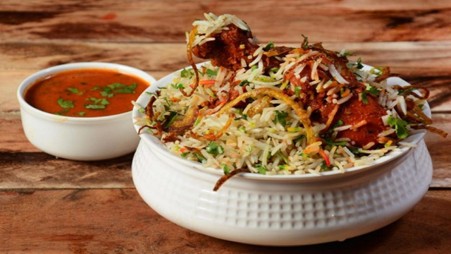
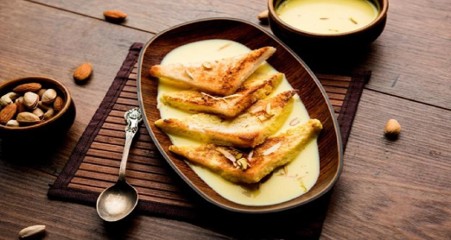
The culinary traditions of Awadh reflect the sophistication of the Nawabi courts of Lucknow. At its heart is dum pukht, a slow-cooking technique in which ingredients are sealed in a handi and gently cooked, allowing their natural flavours and aromas to develop. Galouti and Kakori kebabs, Lucknowi biryani, korma and sheermal are among the cuisine’s celebrated preparations. Saffron, cardamom, mace and other aromatic spices are used with precision rather than heat, creating dishes that are fragrant, delicate and deeply layered.
What makes it special: Refined court cuisine, slow cooking and sophisticated use of spices developed over generations of royal patronage.
Chettinad – The Bold Spice Heritage of Tamil Nadu
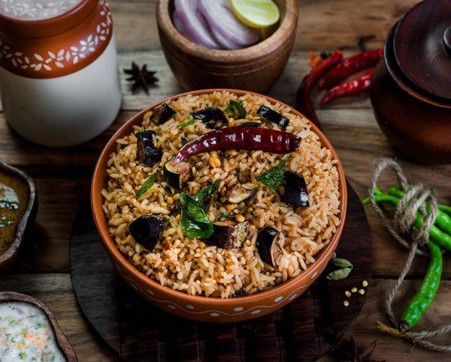
Chettinad cuisine is one of Tamil Nadu’s most distinctive culinary traditions. Developed within the Nattukottai Chettiar community, it reflects the region’s historic trading links and exposure to ingredients and culinary influences from across South and Southeast Asia. Spices including black pepper, dried chillies, fennel, cinnamon, star anise, cloves and kalpasi are often freshly roasted and ground, creating the deep aroma associated with Chettinad cooking. Meat, seafood and vegetarian preparations all feature prominently.
What makes it special: Freshly prepared spice blends, powerful flavours and a culinary heritage shaped by the Chettiar community’s historic trading connections.
Kerala – Spices, Coconut & the Flavours of the Coast
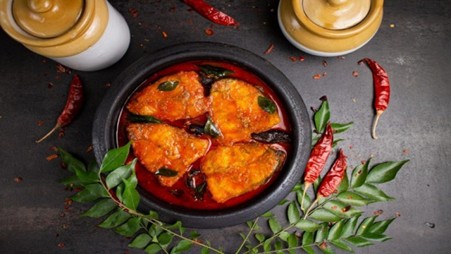
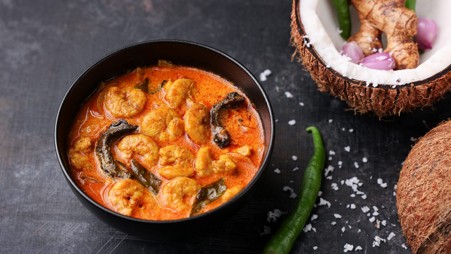
Kerala’s cuisine is inseparable from its tropical landscape and centuries-old spice trade. Black pepper, cardamom, cinnamon, cloves, coconut and curry leaves feature prominently, while the long coastline brings an abundance of seafood to the table. The elaborate Sadya, traditionally served on a banana leaf, can include numerous vegetarian preparations ranging from avial and thoran to sambar, rasam and payasam. Kerala’s food also reflects influences from the region’s long history of maritime trade.
What makes it special: A close connection between landscape, spices, coconut and coastal produce, with culinary traditions deeply rooted in Kerala’s natural abundance.
Gujarat – A Refined Balance of Flavours
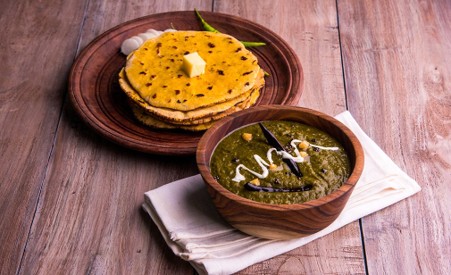
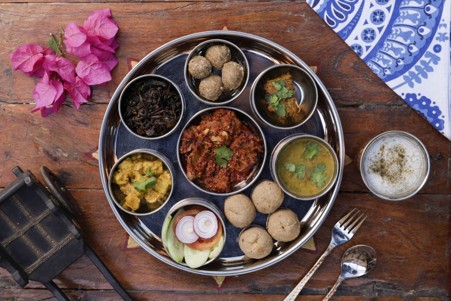
Gujarati cuisine is predominantly vegetarian and is celebrated for its carefully balanced combination of sweet, savoury, spicy and tangy flavours. A traditional thali can bring together vegetables, dals, breads, farsan, pickles, chutneys and sweets in a single meal. Dhokla, Khandvi, Undhiyu and Thepla are among its familiar specialities. Seasonal produce and home-style recipes remain important, while food is closely connected with Gujarat’s traditions of hospitality and community dining.
What makes it special: Exceptional variety within vegetarian cooking and a distinctive balance of contrasting flavours.
Bengal – Rice, Fish & the Flavours of the Seasons
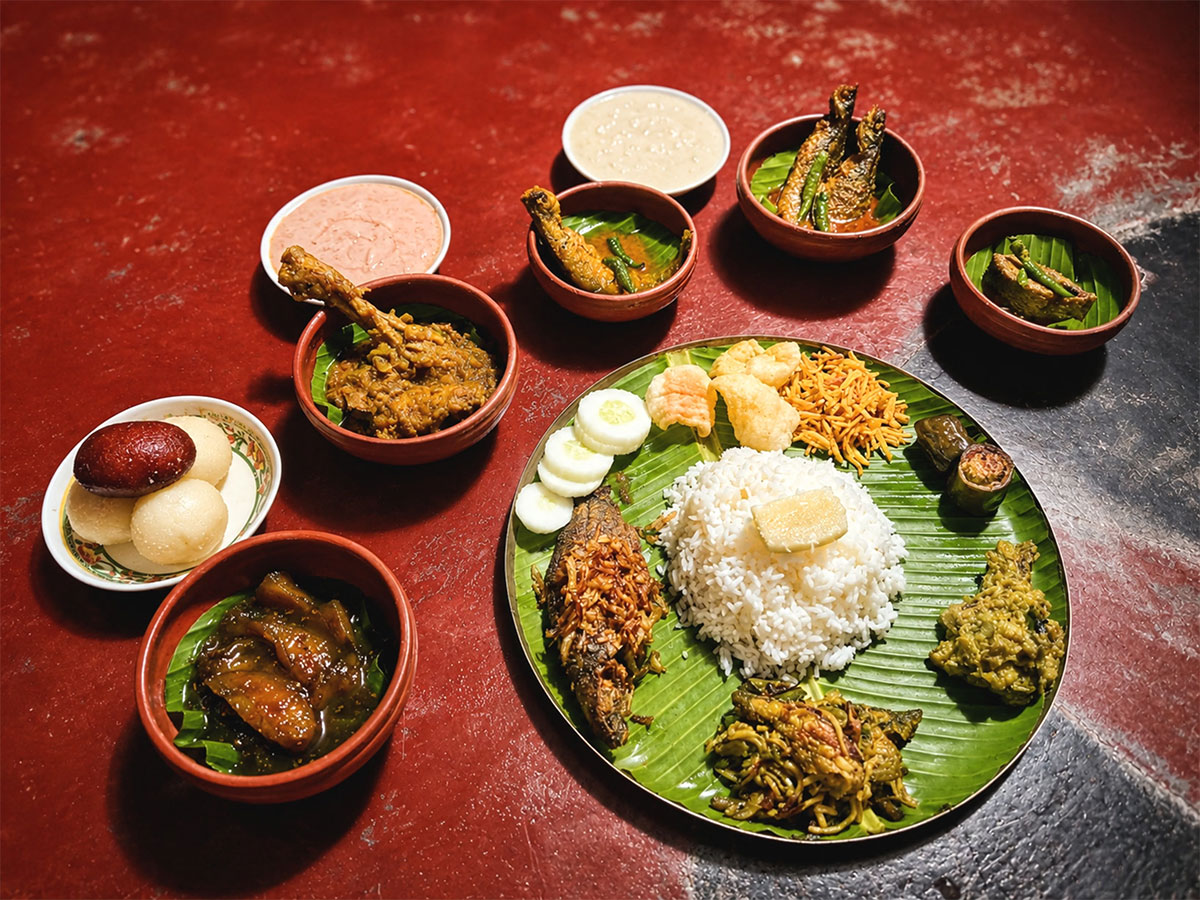
Bengali cuisine is shaped by the fertile Ganges-Brahmaputra delta, its rivers and the changing seasons. Rice and freshwater fish, particularly hilsa, are central to many traditional meals, while mustard oil and mustard seeds provide a characteristic sharpness. The five-spice blend panch phoron — traditionally made with fenugreek, nigella, cumin, black mustard and fennel — is another defining element. Meals often move from delicate vegetable and fish preparations to celebrated sweets such as sandesh and mishti doi.
What makes it special: Seasonal cooking, freshwater produce and an elegant balance of mustard, spices, rice and delicate sweets.
Maharashtra – From Regional Kitchens to Vineyards
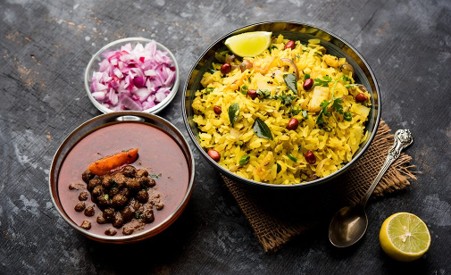
Maharashtra’s cuisine reflects a dramatic range of landscapes, from the Konkan coast to the Deccan plateau. Jowar, bajra, rice, lentils, peanuts, coconut and regional spices feature prominently, while coastal cooking places greater emphasis on seafood and coconut. Puran Poli, Misal Pav, Bharli Vangi and Vada Pav represent very different sides of the state’s culinary identity. Maharashtra also offers a contemporary dimension through the vineyards of Nashik, where wine, local produce and regional cuisine come together.
What makes it special: A diverse culinary landscape spanning coastal, rural and urban traditions, complemented by India’s emerging wine culture.
Goa – Where Coastal India Meets Portuguese Heritage
Goan cuisine carries a distinctive blend of indigenous coastal traditions and Portuguese influence developed over centuries. Coconut, kokum, tamarind, chillies, rice and seafood are fundamental to many local preparations. Fish curry rice, Xacuti, Sorpotel and Bebinca reveal different aspects of this culinary heritage. The use of vinegar in several meat preparations is a notable Portuguese influence, while kokum provides a characteristic sourness in many local dishes.
What makes it special: A rare meeting of Indian and Portuguese culinary traditions, expressed through seafood, coconut, spices and distinctive use of vinegar.
Northeast India – Indigenous Flavours of the Hills
The Northeast represents one of India’s most diverse culinary landscapes, with numerous communities preserving their own food traditions. Cooking is closely connected to the forests, hills and rivers, with bamboo shoot, fermented foods, herbs, rice, smoked meats and freshwater fish featuring across different regions. Assamese cuisine includes distinctive preparations such as khar and tenga, while Nagaland is known for smoked meats and fermented ingredients. Axone, a fermented soybean preparation particularly associated with Nagaland and neighbouring areas, is an important element of several traditional dishes.
What makes it special: Indigenous ingredients, fermentation and smoking techniques, with simple cooking methods that allow the natural character of the produce to shine.
Royal Kitchens – Recipes Born in the Courts
Across India, royal kitchens became places of culinary innovation where specialist cooks developed recipes for royal households, celebrations and ceremonial occasions. Each court developed its own preferences, influenced by local produce, traditions, visiting chefs and cultural exchanges. Some recipes were closely guarded within royal households and passed from one generation to the next. Today, selected heritage properties and former royal families continue to preserve elements of these culinary traditions.
What makes it special: Culinary traditions shaped by royal patronage, specialist cooks and recipes created for particular courts and occasions.
Family Recipes – The Taste of Generations
Some of India’s most meaningful culinary traditions live quietly within family kitchens. Recipes are often taught by watching rather than measuring, with techniques, proportions and small secrets passed from grandparents to children.
The result is that even a familiar regional dish can vary from one household to another. Pickles, spice blends, festive sweets, breads and special occasion dishes are often particularly closely associated with family identity.
What makes it special: Food as living heritage – preserved through memory, family traditions and generations of home cooking.
Street Food – India’s Everyday Culinary Heritage
India’s street food captures the energy and diversity of its cities. Delhi’s chaat, Mumbai’s Vada Pav, Kolkata’s Kathi Roll, Lucknow’s kebabs and Varanasi’s Kachori-Sabzi each have their own history and local character. Many street-food traditions have evolved from regional and home cooking, adapting over time to urban life. The best-known food streets and family-run stalls often have recipes and methods that have been refined over several generations.
What makes it special: Immediate, informal and deeply local, street food offers a direct taste of the everyday culinary culture of India.
From the refined kitchens of former royal courts to family recipes prepared at home, from spice plantations and temple kitchens to bustling food streets, India’s culinary traditions reveal the country through another lens.
The ingredients may change from region to region, but the essence remains the same — food as a living expression of history, hospitality, community and place.