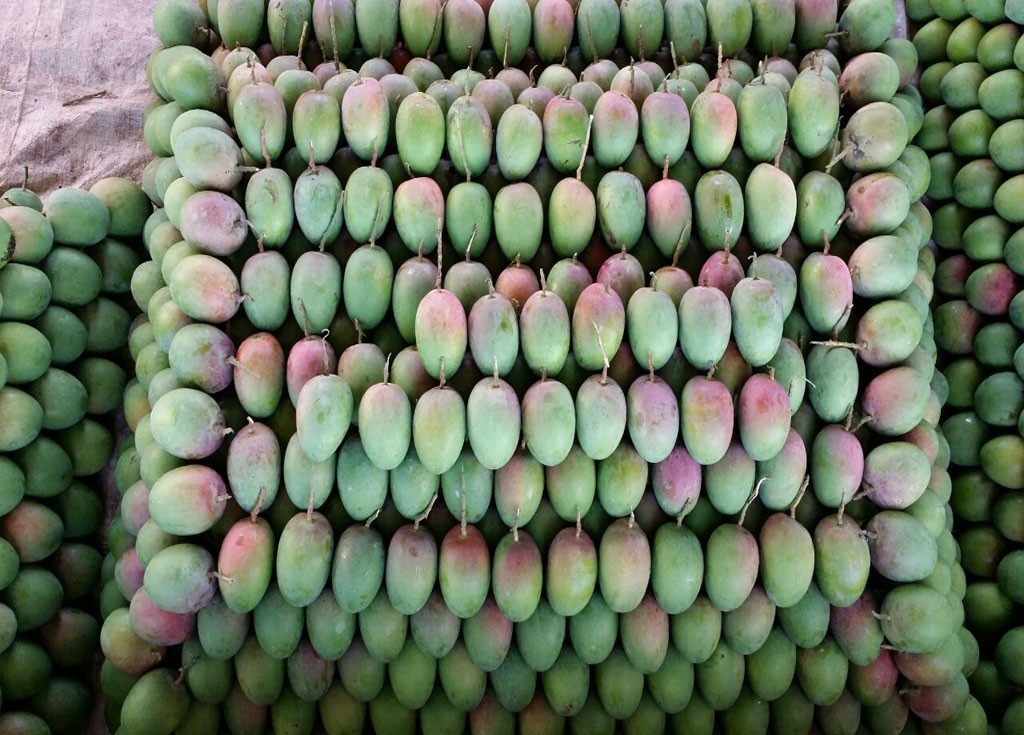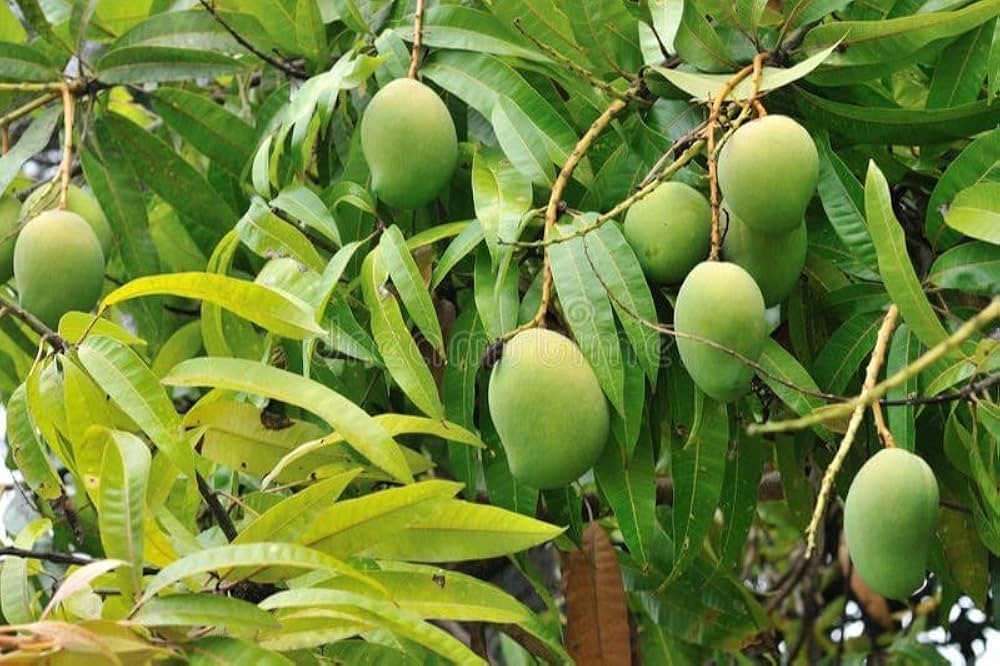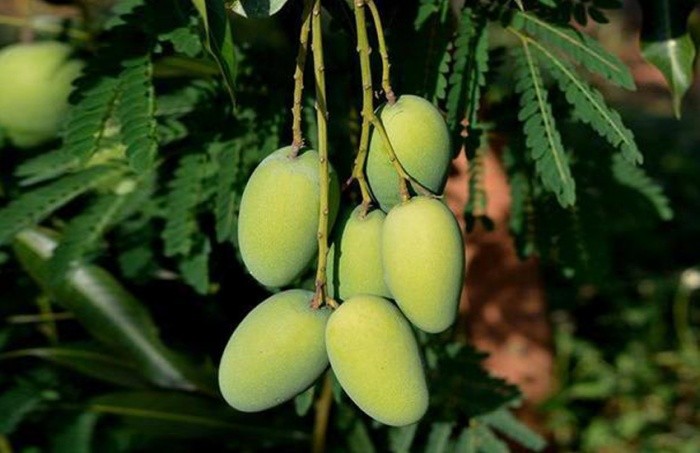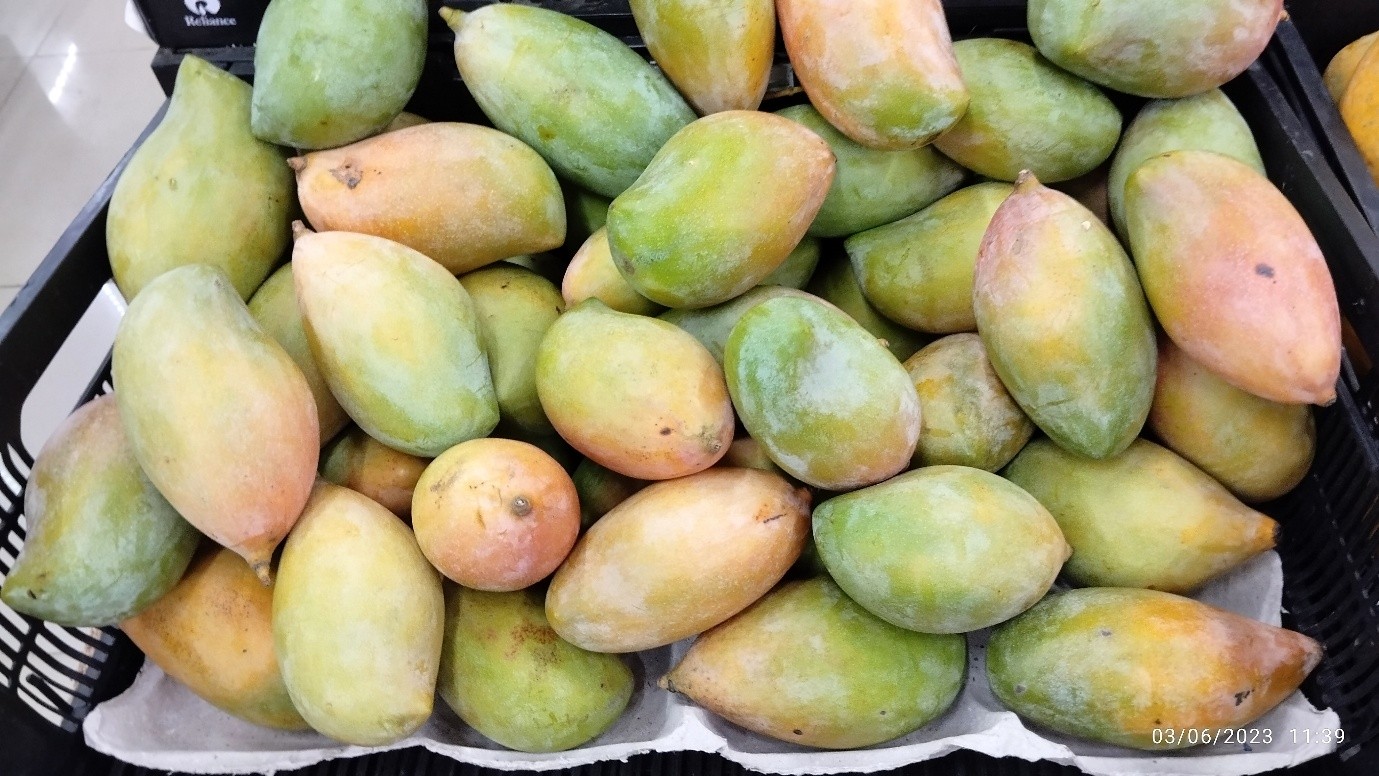
– Totapuri Mango, Central India
India’s Most Coveted Summer Indulgence: Regions and Flavours
Celebrating terroir, craftsmanship and the festivals that define the season’s most anticipated harvest.
To explore India through its mangoes is to uncover a remarkable diversity shaped by geography, climate and centuries of cultivation. With over a thousand known varieties, each region offers not only a distinct fruit, but a unique story—of soil, season and cultural identity.
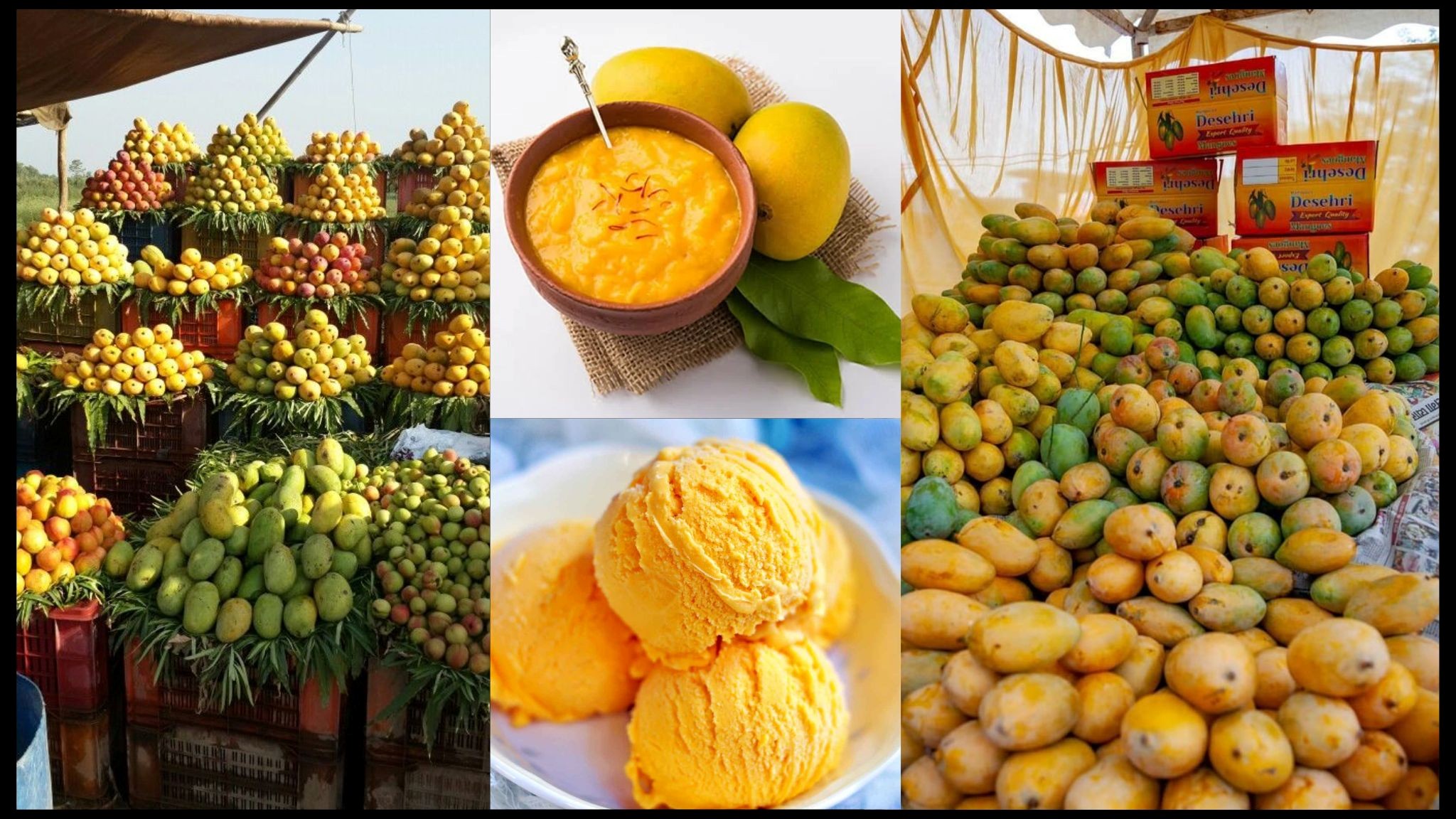
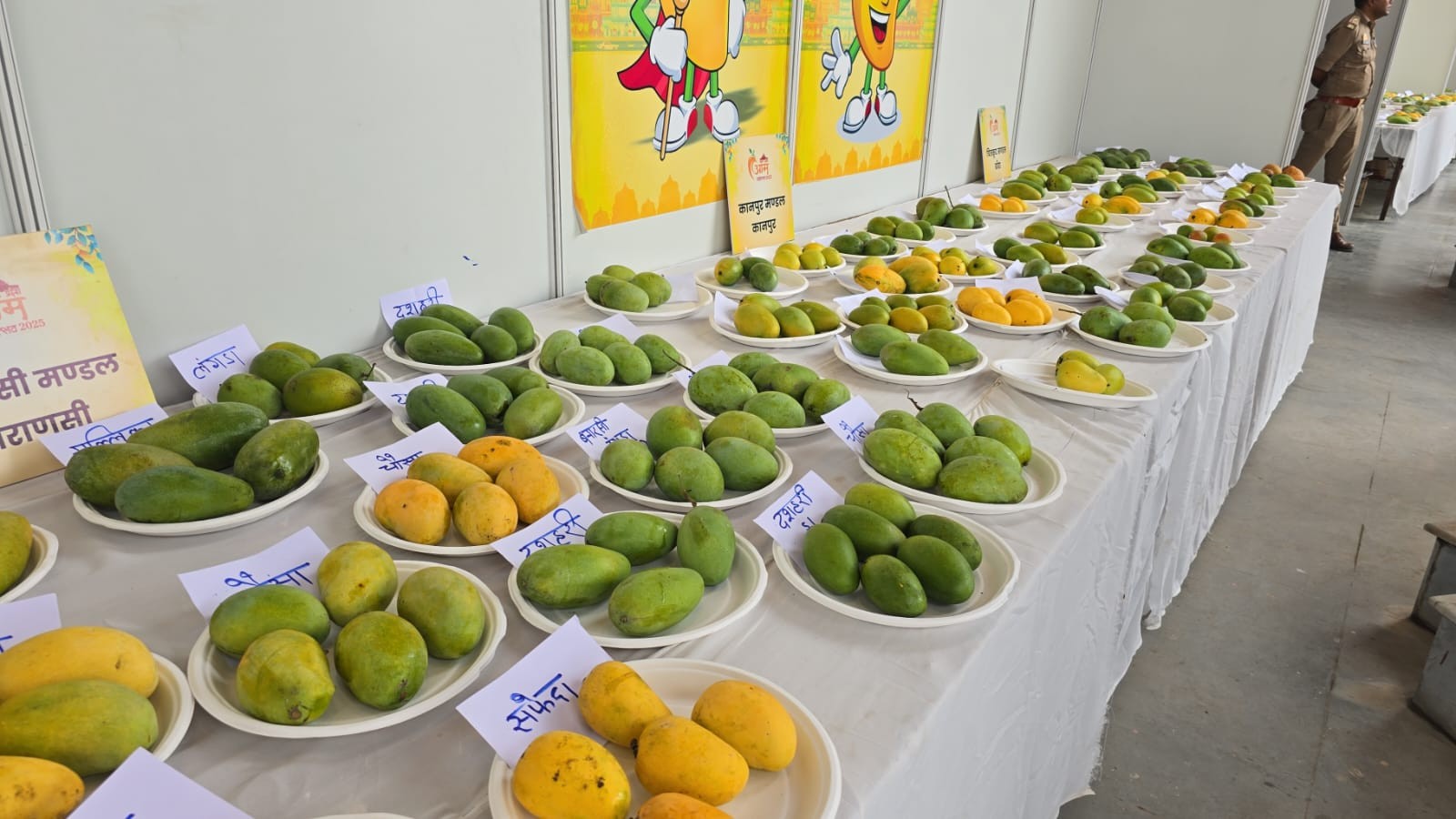
In the northern plains, Uttar Pradesh remains the heartland of classic mango cultivation. The orchards of Malihabad are synonymous with the refined Dussehri mango, known for its elongated shape and delicate sweetness. Nearby regions produce Langra—recognisable for its green skin even when ripe—and Chausa, prized for its juicy, almost honeyed pulp. These mangoes are deeply seasonal and best enjoyed fresh, often harvested and consumed within days. In Delhi, the celebrated International Mango Festival showcases this northern bounty alongside rare varieties, offering tastings of everything from heirloom cultivars to experimental hybrids.
Moving west into Gujarat, the landscape becomes drier, yet produces one of India’s most aromatic mangoes—the Kesar, grown around Gir. Its deep saffron hue and rich fragrance set it apart, often making it a favourite for desserts and pulp-based delicacies. Seasonal mango festivals here combine orchard visits with local traditions, giving insight into farming techniques adapted to semi-arid conditions.
Further along the Konkan coast in Maharashtra, particularly Ratnagiri and Devgad, the legendary Alphonso mango thrives in laterite soil and coastal humidity. Known for its buttery texture, vibrant colour, and complex sweetness, Alphonso is often considered the pinnacle of mangoes. The region’s uniqueness lies in its terroir—where sea breeze and mineral-rich soil create a flavour profile that cannot be replicated elsewhere. Mango festivals in cities like Mumbai celebrate this prized variety alongside innovative culinary uses, from artisanal desserts to gourmet pairings.
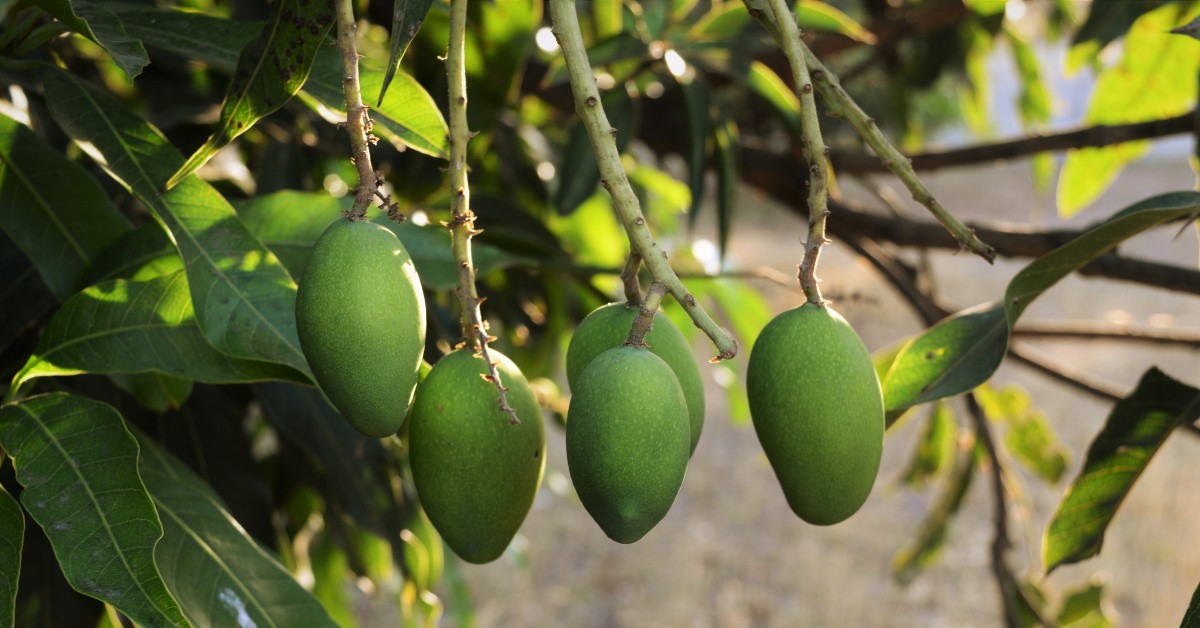
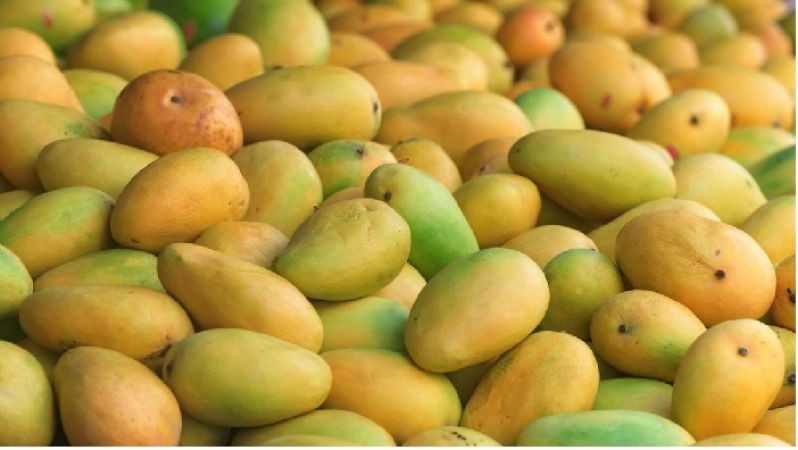
Central India, including Madhya Pradesh, offers lesser-known yet equally distinctive varieties such as Safeda and Totapuri. These regions often focus on agricultural fairs and farm experiences, where visitors can witness harvesting techniques and enjoy mangoes in their simplest, freshest form—often sliced and served with local spices.
In the east, West Bengal presents a more nuanced, almost connoisseur-driven mango culture. Around Kolkata and Murshidabad, varieties such as Himsagar, Lakshmanbhog, Fazli, and the rare Kohitur are celebrated. Himsagar, with its fibreless pulp and intense sweetness, is often considered among the finest dessert mangoes. The uniqueness here lies in culinary integration—mangoes are not just eaten fresh but transformed into traditional sweets, chutneys, and preserves, often featured in seasonal food festivals and curated tastings.
The western coastal region of Goa introduces indigenous varieties like Mankurad and Fernandin, which are smaller but intensely flavoured. Mango celebrations here are relaxed and experiential—blending local cuisine, seafood pairings, and vibrant market culture.
Further south, Andhra Pradesh is home to the widely exported Banganapalle mango, known for its golden hue and firm texture, making it ideal for slicing. In Telangana, particularly around Hyderabad, mango exhibitions and seasonal bazaars highlight varieties like Himayat (Imam Pasand), often regarded as one of the most flavourful yet delicate mangoes.
In Tamil Nadu, regions such as Salem produce the robust Malgova—large, round, and richly flavoured—while Karnataka, especially around Bengaluru, showcases varieties like Raspuri and Badami. Annual mango fairs here are diverse and vibrant, bringing together farmers from across the state and offering dozens of regional varieties in one place.
Even the Himalayan foothills, including Uttarakhand, contribute smaller-scale, boutique mango cultivation—where the cooler climate produces subtler flavours and more exclusive harvests.
Across India, mango festivals—from large-scale events like the International Mango Festival to regional fairs and farm-based celebrations—serve as vibrant expressions of this diversity. They feature tastings of countless varieties, mango-eating contests, chef-led culinary showcases, and opportunities to engage directly with growers.
What makes the Mango Trail truly exceptional is this interplay of place and produce. No two regions are alike—coastal mangoes are shaped by sea air, northern varieties by river plains, and southern cultivars by tropical warmth. Each mango reflects its origin, and each destination offers a distinct way to experience it.
This is not simply a journey of taste, but of discovery—where every stop reveals a new flavour, a new landscape, and a deeper understanding of why mangoes remain India’s most cherished summer obsession.