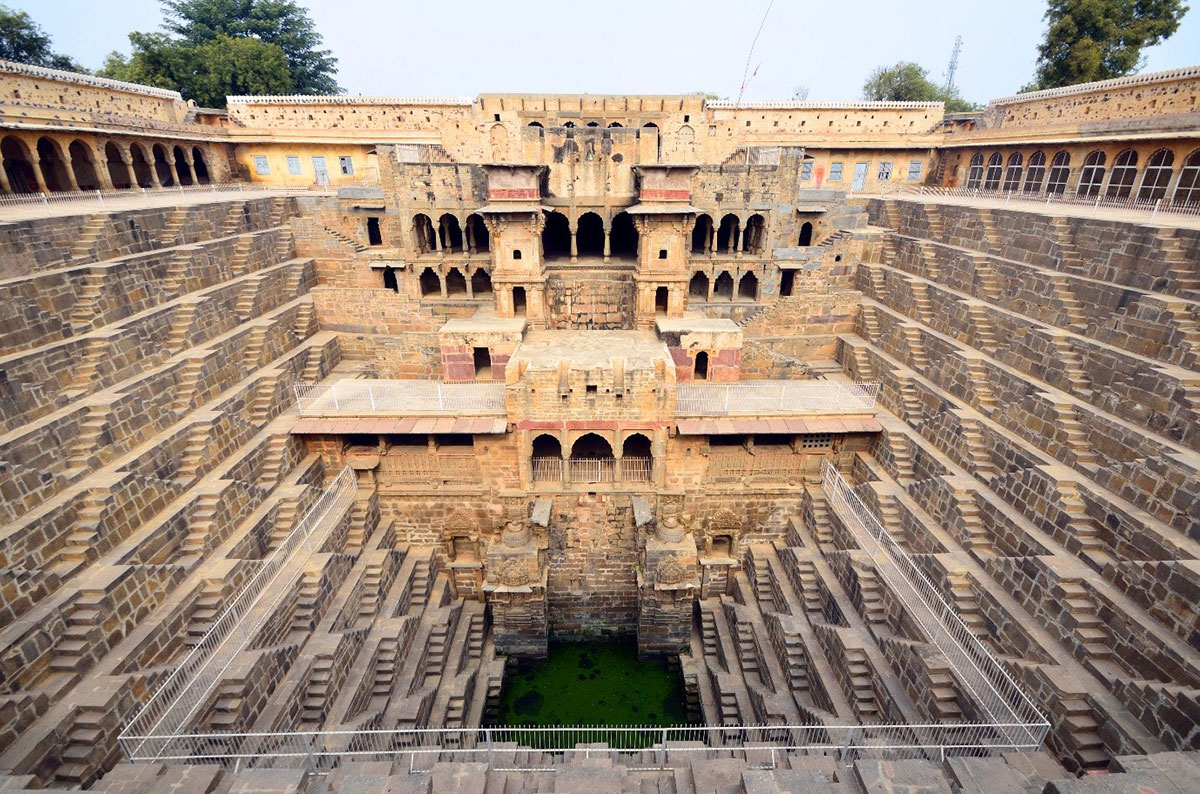
– Chand Baori, Abhaneri Rajasthan
Mapping the Depths — A Regional Overview of India’s Stepwell Heritage
Explore How Geography Sculpted Unique Architectural Styles Across Regions
Stepwells and water tanks are spread across India, each shaped by its local climate, cultural context, and building traditions. Here's a deeper look at how this water architecture flourished in different regions:
1. Gujarat – The Pinnacle of Stepwell Design
Gujarat’s stepwells feature elaborate ornamentation, multi-tiered pavilions, and symbolic carvings drawn from Hindu and Jain iconography.
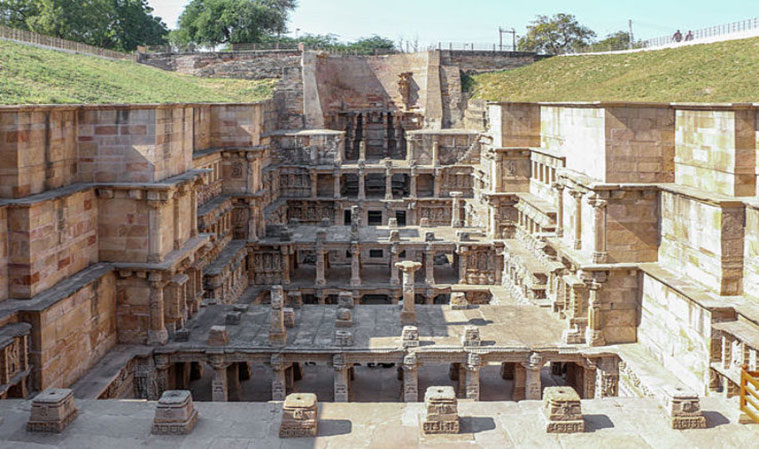
- Rani ki Vav (Patan): A UNESCO World Heritage Site, this 11th-century marvel combines functional design with exceptional craftsmanship in Maru-Gurjara (Solanki) style.
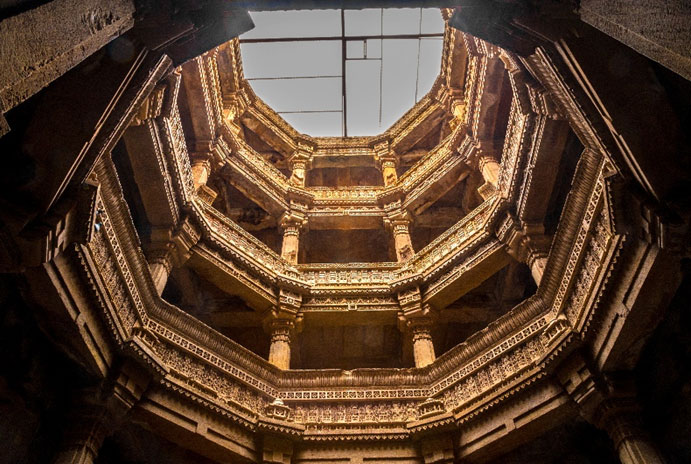
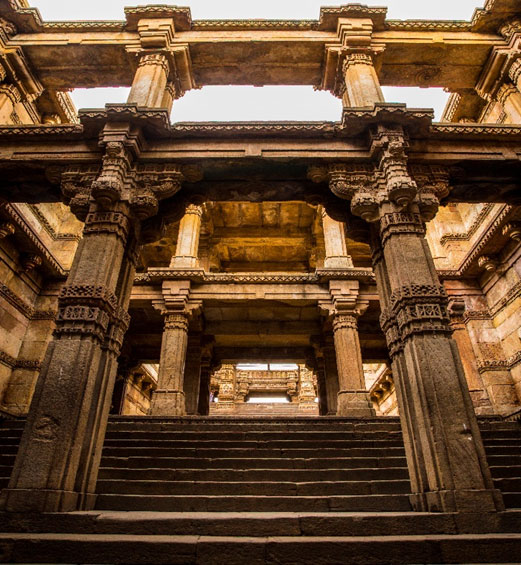
- Adalaj Stepwell (Gandhinagar): Built in 1499, this Indo-Islamic stepwell is five stories deep with exquisitely carved columns, floral motifs, and a mix of Hindu and Persian influences—designed to provide water, shade, and spiritual solace.
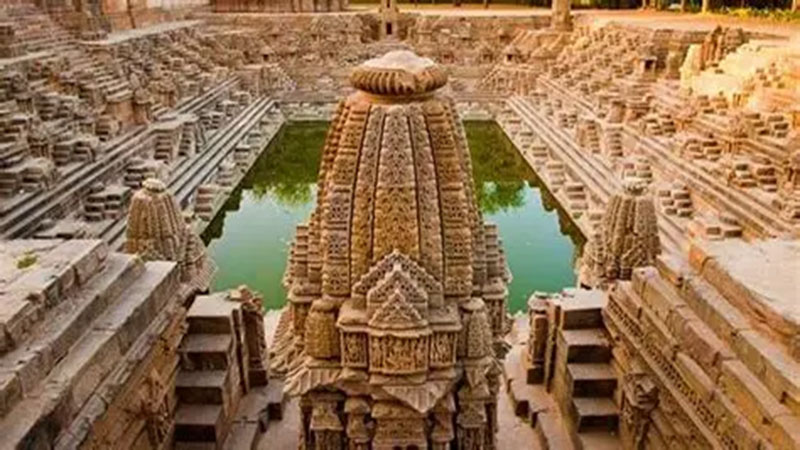
- Modhera Sun Temple Tank: A large ceremonial reservoir with 108 shrines along its sides, representing solar symbolism and ritual function.
2. Rajasthan – Desert Geometry and Survival Engineering
Rajasthan’s baoris are visually striking and structurally resilient, often reflecting Rajput and regional styles adapted to extreme arid conditions.
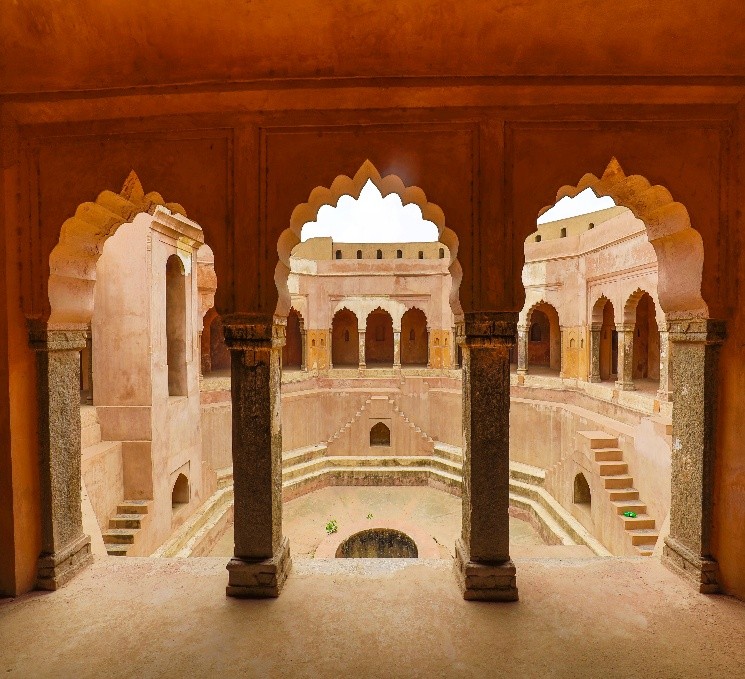
- Chand Baori (Abhaneri): A 9th-century marvel and one of the deepest stepwells in the world, featuring over 3,500 narrow steps and symmetrical design in Pratihara style.
- Raniji ki Baori (Bundi): Constructed in 1699 by Rani Nathavati, this 46-meter deep stepwell is known for its multi-tiered arches, carved pillars, and narrow entrance passages—blending functionality with feminine grace.
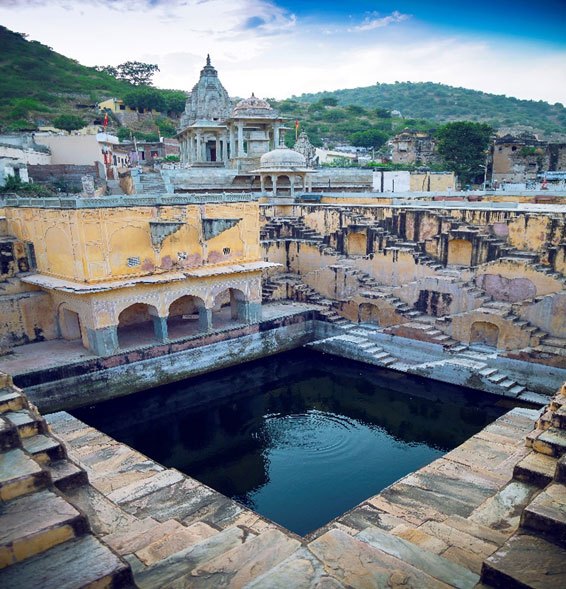
- Panna Meena ka Kund (Jaipur): An 18th-century community stepwell with symmetrical zig-zag staircases, often visited for its photogenic structure and historical context.
3. Madhya Pradesh – Stepwells and Buddhist Influence
Madhya Pradesh's stepwells are often simpler in form, integrated into temple and cave complexes influenced by early Buddhist and Hindu traditions.
- Udaygiri Region: Features early water management structures carved into the rock near religious cave complexes, indicating a functional-spiritual fusion.
- Ashapura Baori (Dhar): A medieval-era stepwell tied to the Paramara dynasty, reflecting a lesser-known yet historically important regional style.
4. Tamil Nadu & Karnataka – Temple Tanks and Sacred Waters
Temple tanks in South India are built with axial symmetry, cut-stone precision, and integrated into Dravidian temple complexes for ritual purification and social use.
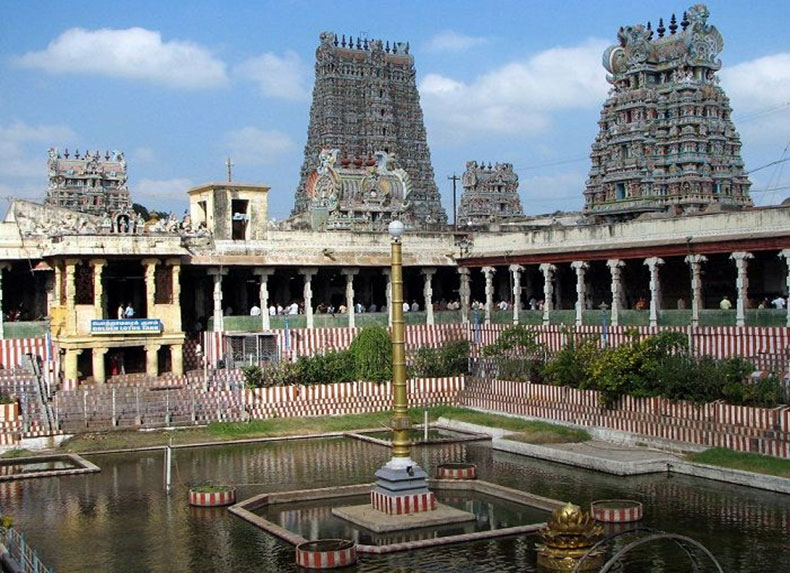
- Meenakshi Temple Tank (Madurai): Known as the Golden Lotus Tank, it lies at the core of the temple’s ceremonial activities.
- Virupaksha Temple Tank (Hampi): Reflects meticulous planning with cosmic alignment, often used in conjunction with astronomical rituals.
- Melukote Kalyani (Karnataka): This stepped tank, framed by colonnaded corridors, remains active during religious festivals and daily temple functions.
5. Maharashtra – Forgotten Cisterns of the Deccan
Maharashtra’s water structures include rock-cut cisterns and stepped tanks integrated into fort complexes and temple landscapes.
- Kailasa Temple (Ellora): Known as the Golden Lotus Tank, it lies at the core of the temple’s ceremonial activities.
- Parvati Temple Tanks (Pune): Reflects meticulous planning with cosmic alignment, often used in conjunction with astronomical rituals.
- Paithan Stepwells: Historic but largely undocumented, these wells show layered craftsmanship from the Satavahana to Maratha periods.
6. Delhi & North India – Urban Stepwells with Sultanate and Mughal Legacy
Delhi’s stepwells, or baolis, were built for civic use during the Sultanate and Mughal periods, with a blend of utilitarian and Indo-Islamic styles.
- Agrasen ki Baoli (Central Delhi): A massive 60-meter long well, framed by stone arcades—one of the few surviving public stepwells in the capital.
- Rajon ki Baoli (Mehrauli): Built by masons during the Lodi dynasty, this stepwell features ornamental arches, chambers, and a peaceful courtyard setting.
- Gandhak ki Baoli: Known for its sulfur-rich water, this baoli once served Sufi dargahs and travelers but now needs active preservation.
Stepwells were sustainable before sustainability became a global concern. They supported passive cooling, groundwater recharge, and community bonding. Their architectural styles, adapted to region, religion, and resources, are timeless blueprints for climate-resilient infrastructure.
Preserving these structures is not just about restoring stone—it’s about restoring a worldview that treated water as sacred and stewardship as collective.