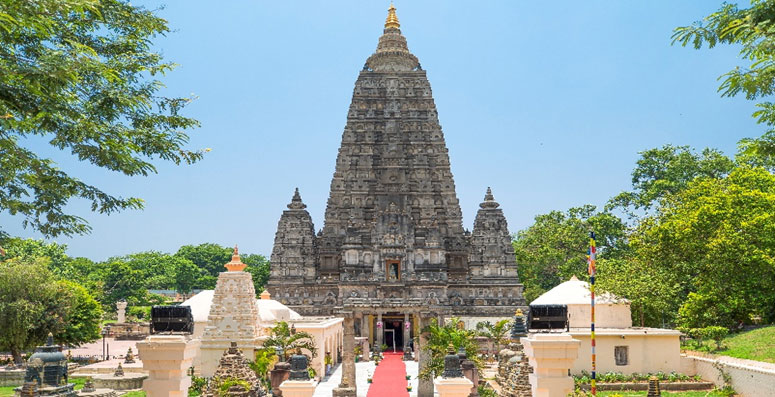
– Virupaksha Temple, Hampi (Karnataka)
Inside the Sanctum: Exploring India's Architectural Icons
Explore iconic temples that define India’s regional styles, spiritual narratives, and artistic brilliance.
India’s temples are not just places of worship—they are living chronicles of its history, craftsmanship, and spiritual diversity. From the intricately carved sandstone temples of the North to the towering stone marvels of the South, each region tells a unique story through its sacred spaces. In this edition, we explore some of the most architecturally and historically significant temples across North and South India, including lesser-known gems from Gujarat and the North-East.
1. Temples of North India: Heritage in Stone
North India’s temples are often characterized by their Nagara-style architecture, marked by curvilinear towers (Shikharas), elevated platforms, and ornate sculptural work. Beyond their spiritual role, these structures serve as timeless works of art and engineering.
Sun Temple, Modhera (Gujarat)
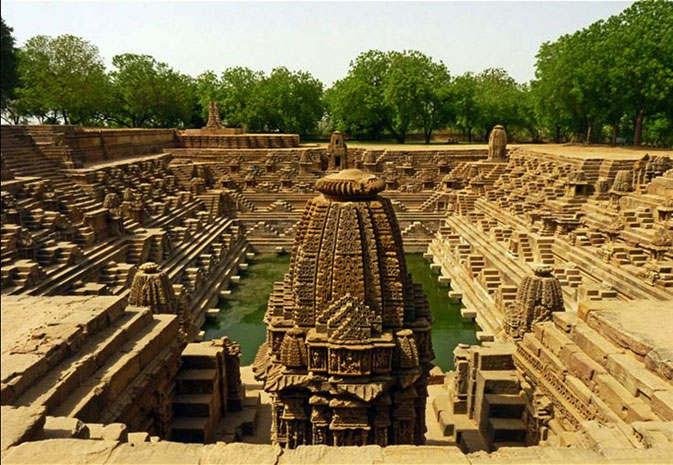
One of the finest examples of solar architecture in India is the Sun Temple of Modhera, built in 1026 CE by Bhima I of the Solanki dynasty. This temple is not just a place of worship, but a stunning synthesis of astronomy, geometry, and ritual. Its sanctum was designed so that the first rays of the equinox sun would illuminate the deity at dawn, while the temple’s Surya Kund (stepped tank), surrounded by over 100 miniature shrines, reflects Gujarat’s mastery in water architecture and sacred geometry.
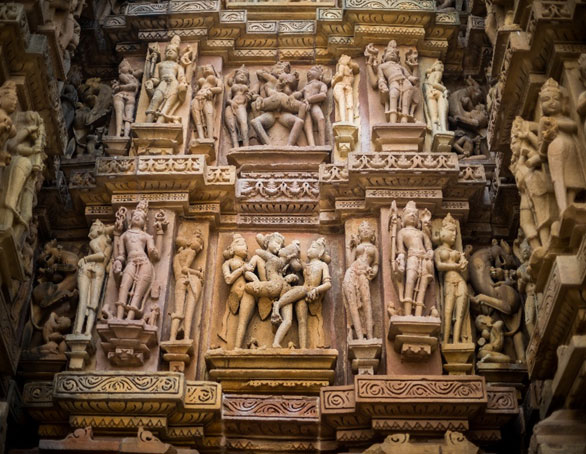
Vishwanath Temple, Khajuraho (Madhya Pradesh)
Part of the UNESCO-listed Khajuraho group, the Vishwanath Temple exemplifies the refined temple architecture of the Chandela dynasty. While Khajuraho is globally recognized for its sensuous sculptures, the Vishwanath Temple specifically stands out for its harmonious proportions, refined stone carvings, and narrative richness. Here, art is not just ornamental—it tells stories, invokes emotion, and celebrates both the divine and the earthly in equal measure.
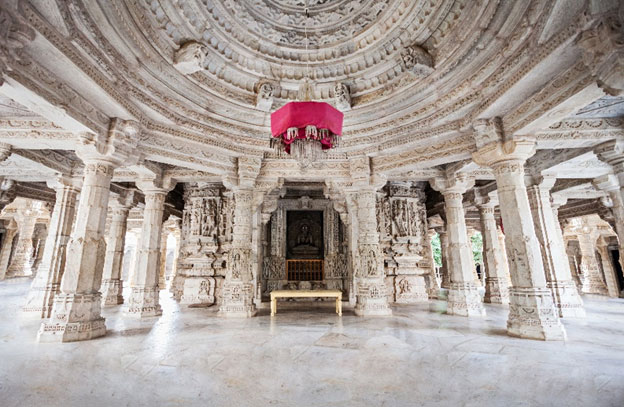
Ranakpur Jain Temple (Rajasthan)
Built in 15th century, the Ranakpur Jain Temple exemplifies spiritual architecture on a monumental scale. Commissioned by a Jain merchant under the patronage of Rana Kumbha, this temple is dedicated to Lord Adinatha and features a symmetrical, four-faced (Chaumukha) layout. With 1,444 intricately carved pillars, each uniquely designed, and 29 halls supported by geometrically aligned columns, Ranakpur remains a masterclass in marble craftsmanship and spatial planning.
Eklingji Temple near Udaipur (Rajasthan)
Stands near Udaipur, a historic Shaivite temple complex originally constructed in the 8th century and expanded by successive rulers of Mewar. Eklingji is unique in its association with the royal lineage—the deity is considered the sovereign ruler of Mewar, while the king governs as a regent. The temple’s four-faced lingam and multi-tiered tower reflect a fusion of spiritual symbolism and political legitimacy, making it a singular example of divine kingship in Indian history.
Jagannath Temple, Puri (Odisha)
One of the four sacred Char Dham pilgrimage sites, located in the coastal town of Puri, the Jagannath Temple stands as a towering symbol of the Kalinga style of temple architecture. Built in the 12th century by the Eastern Ganga dynasty, the temple is famous for its colossal spire, immense stone kitchen, and the spectacular annual Rath Yatra, where massive wooden chariots carry the deities through the streets. The temple’s inner sanctum is closed to non-Hindus, yet its influence is global, with Jagannath becoming a symbol of inclusivity and pilgrimage for centuries.
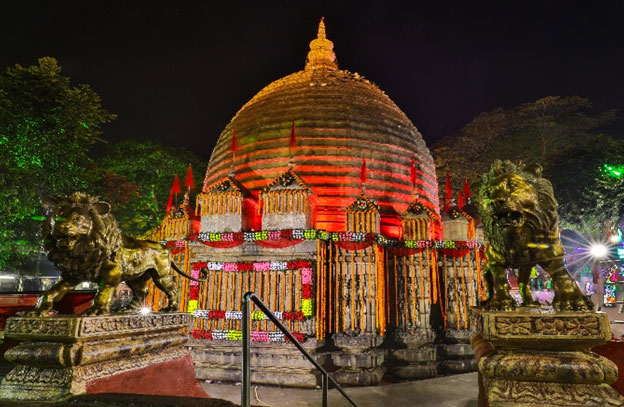
Kamakhya Temple, Guwahati (Assam)
Situated atop the Nilachal Hills, Kamakhya Temple is one of the most revered Shakti Peethas in India. Unlike conventional Hindu temples, it celebrates the divine feminine through Tantric rituals and distinct architecture influenced by Northeast Indian traditions.
2. Temples of South India: Monumental Devotion
Southern India is renowned for its Dravidian temple architecture, known for monumental Gopurams (gateway towers), axial temple plans, and richly sculpted stone corridors. These temples often served as centers of cultural, educational, and economic life in ancient kingdoms.
Meenakshi Amman Temple, Madurai (Tamil Nadu)
A symbol of Tamil Nadu’s religious and architectural legacy, this sprawling temple complex is dedicated to Goddess Meenakshi and Lord Sundareswarar. Though the original shrine dates back over two millennia, the current structure was largely developed during the 16th–17th centuries under the Nayaka rulers. With 14 elaborately sculpted gopurams, some rising over 150 feet, a sacred pond, and over 33,000 statues within its complex, Meenakshi Temple exemplifies Dravidian architecture as a public spectacle of devotion—where color, scale, and symbolism converge.
Brihadeeswarar Temple, Thanjavur (Tamil Nadu)
Commissioned by Raja Raja Chola I in the 11th century, the Brihadeeswarar Temple, is arguably the greatest architectural achievement of the Chola dynasty. A UNESCO World Heritage Site, it features a 66-meter tall vimana—one of the tallest stone structures in India—constructed using interlocking granite blocks without mortar. The temple’s bronze sculptures, frescoes, and inscriptions offer a comprehensive cultural record of Chola governance, religion, and artistry.
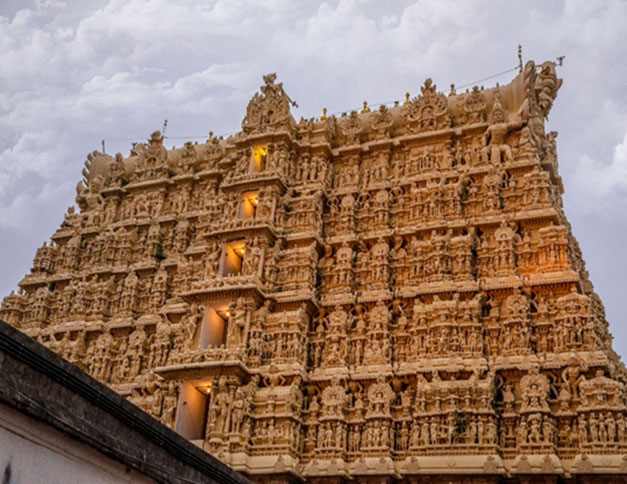
Virupaksha Temple, Hampi (Karnataka)
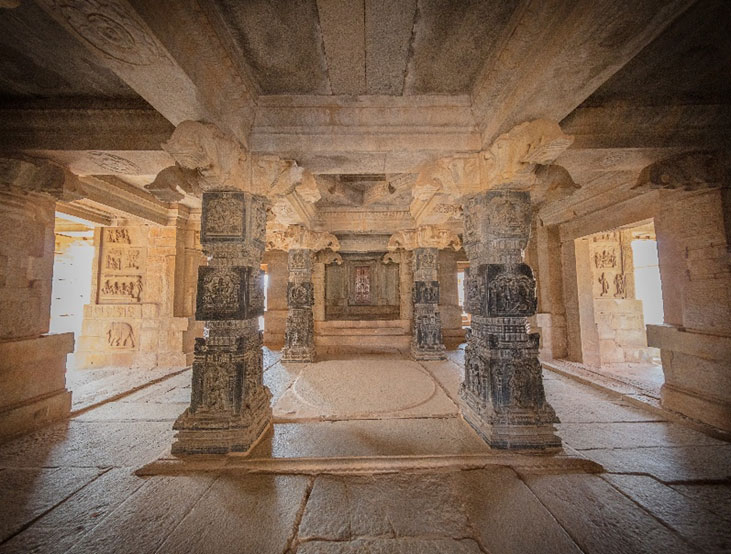
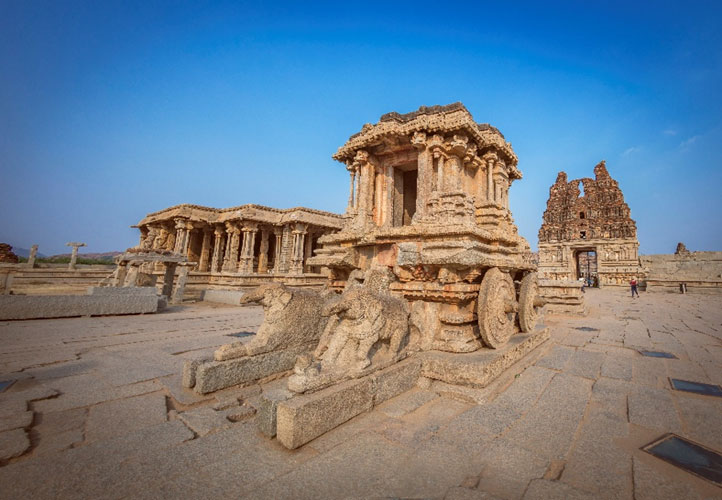
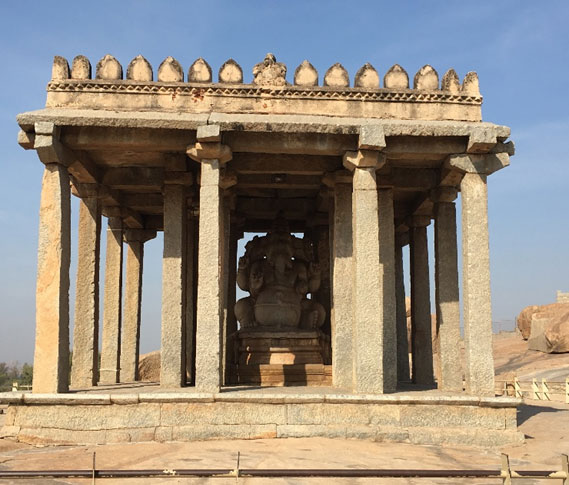
The Virupaksha Temple at Hampi stands as the spiritual nucleus of the once-flourishing Vijayanagara Empire. Dating back to the 7th century and expanded significantly in the 14th century, Virupaksha Temple is still active, and its architecture includes a richly decorated gopuram, mandapas with sculpted ceilings, and corridors that echo both sacred chant and royal ceremony. Its survival through centuries of invasions adds to its historical gravitas.
Hoysaleswara Temple in Halebidu (Karnataka)
Built in the early 12th century by the Hoysala dynasty, Hoysaleswara Temple is another pinnacle of temple sculpture and design. Made from soapstone and set on a star-shaped platform, the temple is covered in continuous narrative friezes—depicting mythological epics, floral motifs, celestial beings, and scenes from courtly life. Each figure is sculpted in high relief with remarkable realism, making it one of the most intricate stone temples in the world.
Padmanabhaswamy Temple, Thiruvananthapuram (Kerala)
This temple offers a unique architectural blend of Dravidian and Kerala styles. Its sanctum houses a massive reclining idol of Lord Vishnu made of salagram stones, and its corridor—lined with 365 granite columns—demonstrates both artistic elegance and structural sophistication. The temple gained global attention when its secret underground vaults were opened in 2011, revealing treasures worth billions, making it one of the richest temples ever discovered.
The temples of India—whether nestled in the Himalayan foothills, spread across the Deccan plateau, or hidden in the lush forests of the Northeast—represent far more than religious sanctuaries. They are living museums, reflecting the country's diverse philosophies, regional artistry, and collective spiritual consciousness.
Each temple featured here is a testament to India's architectural ingenuity and timeless devotion, reminding us of the enduring power of faith expressed through form, material, and space.