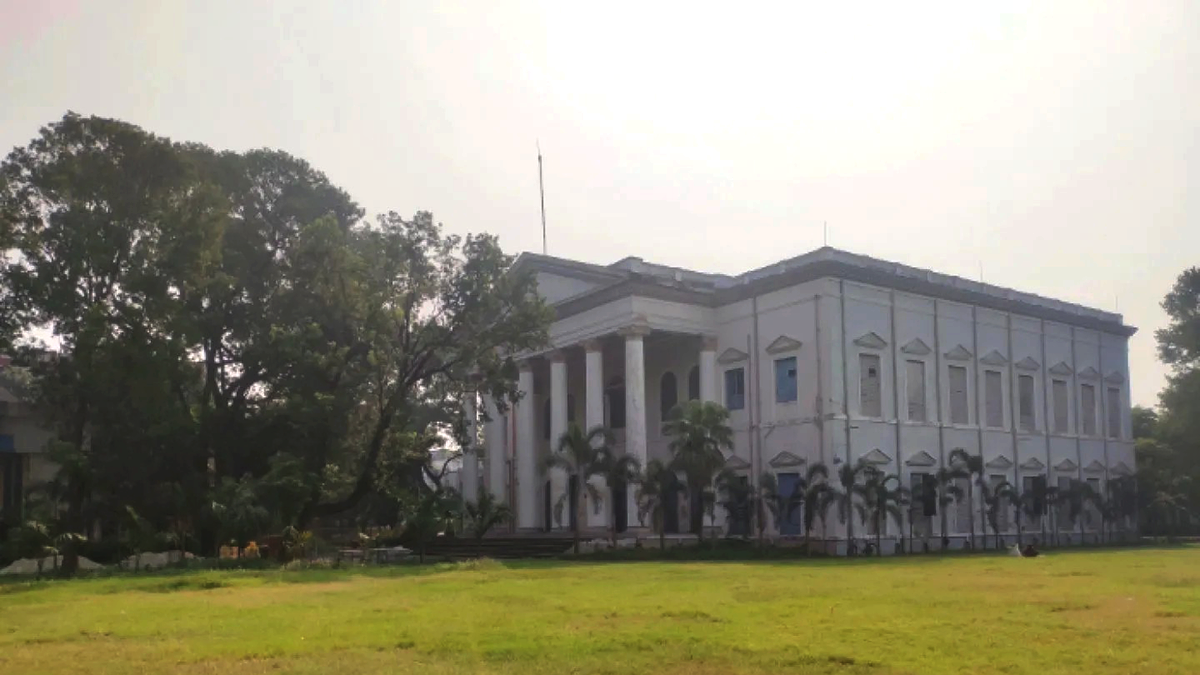
– Danish Tavern Serampore
Retrace the footsteps of your ancestors – what will you discover?
Discover the life they led before they found their last resting place in India
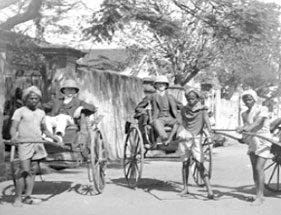
Yet there are many organised tours of India ignore them. The nation’s British history is all too often regarded as off-limits, apart from an afternoon tour of Lutyens’ New Delhi or a couple of journeys by rail, one of Britain’s great legacies to the sub-continent.
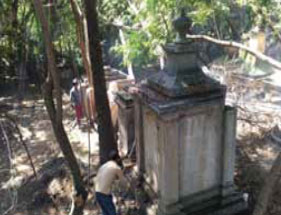
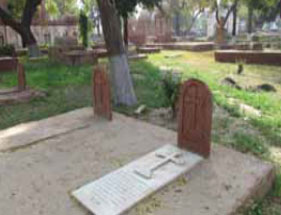
The cemetery encapsulates the social structure of India’s colonial past. They not only create awareness of Britain’s contribution to the sub-continent’s heritage - and at the same time help to travellers and tourists connect with their own family histories. There are more than 800 of them in India alone, the last resting places of perhaps a million Britishers, including some who died in polo accidents, or after being attacked by bears, or even from exploding soda bottles.Locating old family bungalows, the churches where ancestors were christened or married, and the graveyards where they were buried can be a challenge. Cemeteries may be vandalised or submerged in jungles of undergrowth, with the monsoon taking its annual toll. Walking round them is often like exploring the evocative remains of a vanished civilisation.
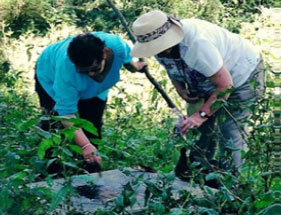
There are so many people wanting to explore their ancestry in India, to see the places where their families lived, but they don’t know how to go about it. To help them, Indus Discoveries has launched Family History Tours, tailored to clients’ particular needs, which may involve obscure towns that have changed radically since Indian independence in 1947. Tour leaders will research relevant church records and cemeteries in advance, and will arrange visits. The focus of these tours to India is to find more information about ancestors – to visit the churches in which g-g-grandparents had been baptised or married; to find the cemeteries and memorials to long dead family members, schools they may have attended, railways they worked on, cantonments they may have been stationed at, tea plantations or jute mills, anywhere where they may have resided and, most of all, to sample, if possible, the life ancestors lived.